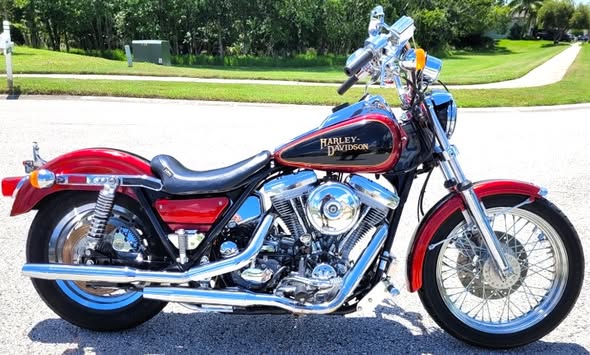
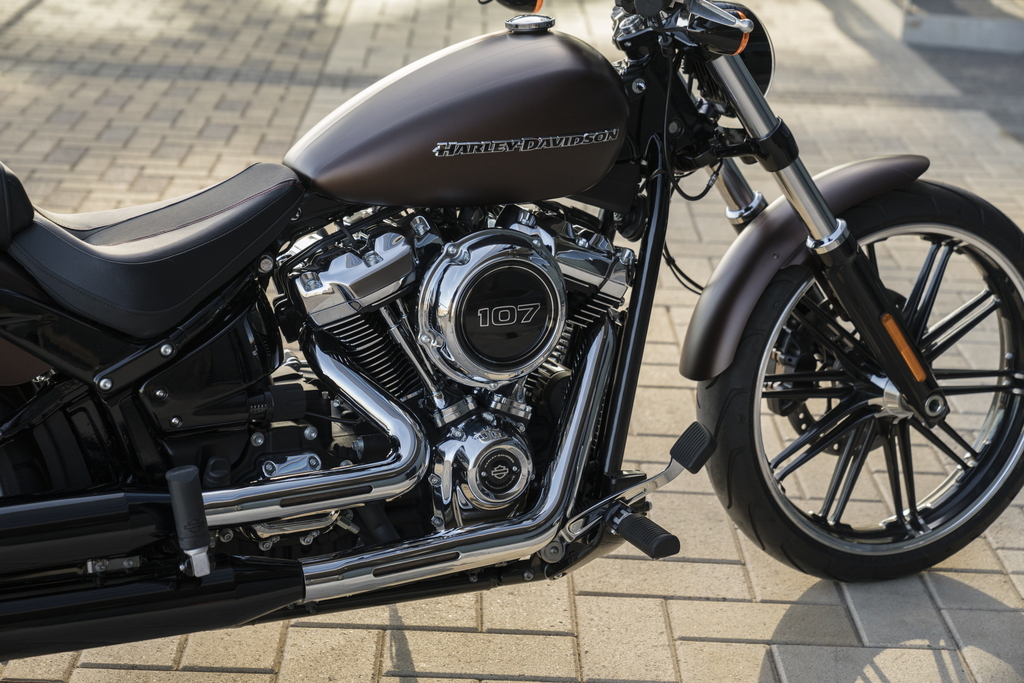
Of course, here is a full article about the 1996–2003 Harley-Davidson Sportster Evolution 1200 (XL1200S Sport Rigid).
The 1996–2003 Harley-Davidson Sportster Evolution 1200 (XL1200S Sport Rigid) represents a significant era for Harley-Davidson, marking the company’s most focused effort to create a performance-oriented, factory-built “canyon carver” from its iconic Sportster platform. Produced for eight model years, the XL1200S, commonly known as the Sportster Sport, was aimed at riders who desired the classic American V-twin experience but with handling and braking capabilities more aligned with contemporary European and Japanese motorcycles. It stands as the pinnacle of performance for the solid-mount Evolution Sportster chassis before the entire line was redesigned with rubber-mounted engines in 2004.
History and Development
By the mid-1990s, the Harley-Davidson Sportster had a long-established reputation as a nimble and elemental motorcycle. However, its suspension and braking technology were considered dated compared to sportier competitors. In response, Harley-Davidson’s engineering team developed the XL1200S, which debuted in 1996. The goal was not to create an outright sportbike, but to build the best-handling and most powerful Sportster to date, leveraging proven components to enhance its athletic capabilities significantly.
The “Sport” model was a clear departure from the aesthetics-focused “Custom” (XL1200C) and the standard models. It featured a more aggressive, neutral riding position, a taller stance, and components that prioritized function over form. It was immediately recognized for its upgraded hardware, which was unprecedented for a production Sportster.
Key Features of the 1996–2003 Harley-Davidson Sportster Evolution 1200 (XL1200S Sport Rigid)
The XL1200S was distinguished from its stablemates—the standard XLH1200 and the XL1200C Custom—through a series of targeted performance upgrades. These changes transformed the motorcycle’s character from a traditional cruiser into a much more capable and engaging sporting machine.
Powertrain Enhancements
While the standard 1200cc Evolution engine was a capable motor, the XL1200S received key modifications for increased output and efficiency. The most notable upgrade was the use of high-performance cylinder heads. From 1996 to 1997, the bike used Screamin’ Eagle performance heads. Starting in 1998, it was equipped with new high-compression, dual-spark-plug “Thunderstorm” heads. These heads, combined with higher-lift “W” profile camshafts and a single-fire ignition system, allowed the engine to breathe better, rev more freely, and produce more horsepower and torque than the standard 1200 engine. The result was a claimed horsepower figure in the high 60s, a noticeable improvement over the standard model’s output.
Premium Suspension
The single greatest differentiator for the XL1200S was its fully adjustable suspension. Sourced from Showa, a respected Japanese manufacturer, the suspension package offered a level of tunability previously unseen on a production Harley-Davidson.
Front Forks: The 39mm front forks were equipped with cartridge-style internals and were adjustable for spring preload, compression, and rebound damping.
* Rear Shocks:** The rear featured twin piggyback-reservoir shocks, also fully adjustable for preload, compression, and rebound.
This high level of adjustability allowed riders to fine-tune the motorcycle’s handling to their weight, riding style, and road conditions, providing superior stability and cornering confidence compared to the non-adjustable, basic suspension on other Sportster models.
Upgraded Braking System
To match its enhanced engine and handling prowess, the XL1200S was fitted with a superior braking system. The front wheel featured dual-piston calipers gripping twin 292mm floating disc brakes. This dual-disc setup provided significantly more stopping power and better feel than the single-disc front brake found on all other Sportsters of the era, reducing brake fade during aggressive riding.
Legacy
The XL1200S Sportster Sport was discontinued after the 2003 model year to make way for the redesigned 2004 Sportster lineup, which featured a new frame with a rubber-mounted engine. While the rubber-mounting provided a smoother ride by isolating engine vibration, the new frame was heavier, and no direct replacement for the high-spec “S” model was offered. For this reason, the 1996–2003 XL1200S is highly regarded by enthusiasts as the ultimate iteration of the raw, visceral, and mechanically connected rigid-mount Sportster. It remains a sought-after model on the used market for riders seeking a unique blend of classic Harley-Davidson character and genuine sporting capability.
Specifications Table
| General | |
| Brand | Harley-Davidson |
| Model | Sportster Sport |
| Model Class | XL1200S |
| Model Year Range | 1996–2003 |
| Type | Standard / Sport |
| Performance (Approximate) | |
| Max. power | 68 Hp / 5200 RPM |
| Max. torque | 79 ft-lb / 4000 RPM |
| Size | |
| Length | 87.6 in. (2225 mm) |
| Wheelbase | 60.2 in. (1529 mm) |
| Seat height | 29.5 in. (749 mm) |
| Ground clearance | 6.7 in. (170 mm) |
| Dry weight | 497 lb. (225 kg) |
| Curb weight | 521 lb. (236 kg) |
| Engine | |
| Type | 45° V-Twin, Four Stroke, Air Cooled, OHV |
| Displacement | 1203 cc (73.4 cu. in.) |
| Bore × Stroke | 3.5 in. × 3.81 in. (88.9 mm × 96.8 mm) |
| Compression ratio | 10.0:1 (for Thunderstorm heads) |
| Starting system | Electric starter |
| Fuel supplying system | 40mm Keihin CV Carburetor |
| Ignition control system | Single-fire, non-wasted spark |
| Engine oil type | SAE 20W-50 |
| Transmission | |
| Transmission type | 5-speed, manual gear shift |
| Clutch type | Wet, multi-disc, manual |
| Driving system | Belt drive |
| Chassis | |
| Frame | Mild steel, tubular frame |
| Tire size | Front: 100/90-19; Rear: 130/90-16 |
| Brakes Front | Dual 292mm discs, 2-piston calipers |
| Brakes Rear | Single 292mm disc, 1-piston caliper |
| Capacity of fuel tank | 3.3 gal (12.5 L) |
| Fuel consumption | 42-50 MPG (5.6 – 4.7 L / 100 km) |
| Suspension | |
| Front Suspension | 39mm Showa cartridge fork, adjustable for preload, compression, and rebound |
| Front travel | 6.1 in (155 mm) |
| Rear Suspension | Dual Showa shocks with piggyback reservoirs, adjustable for preload, compression, and rebound |
| Rear travel | 3.5 in (89 mm) |