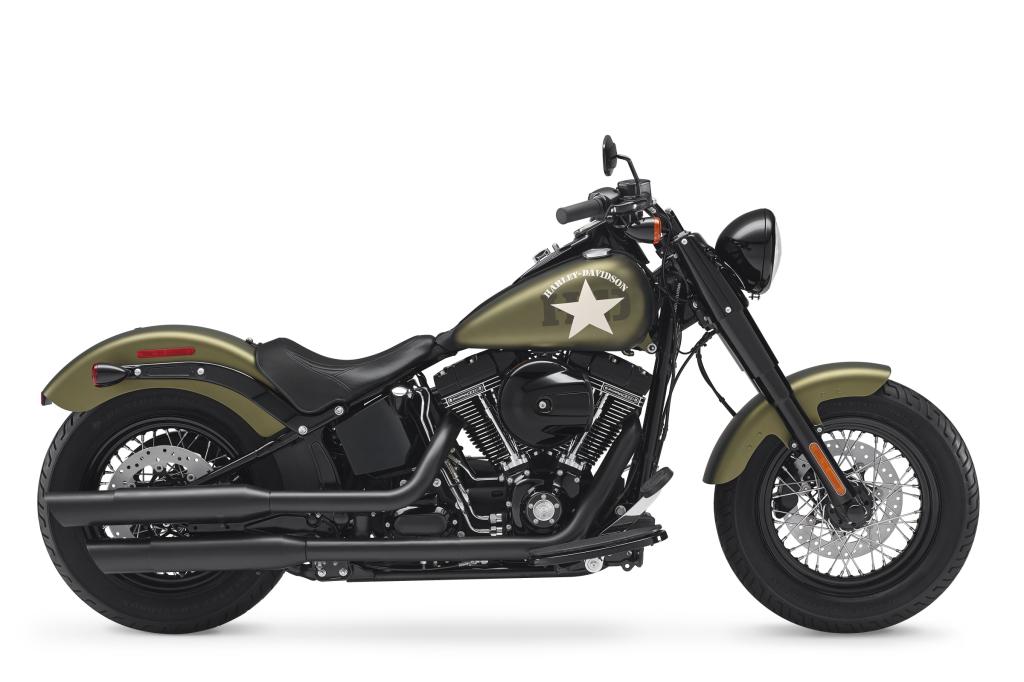
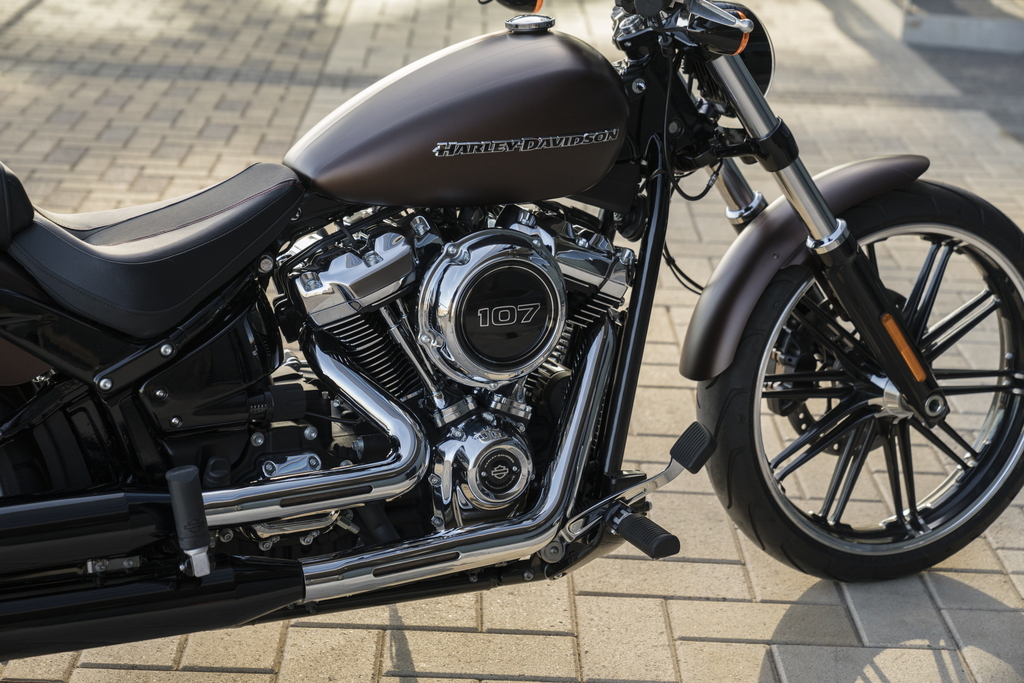
The 2012–2016 Harley-Davidson Touring Twin Cam 103 (FLHR Road King) represents a significant era for the marque’s long-haul cruiser lineup. This period saw the standardization of the larger Twin Cam 103 engine across the Touring family, providing riders with a notable increase in power and performance over previous models. The FLHR Road King, with its classic styling and versatile nature, served as a flagship for these advancements, bridging the gap between the earlier Twin Cam 96 generation and the subsequent introduction of the Milwaukee-Eight engine.
Development and Engine Upgrade
The primary distinction between the 2012–2016 models and their immediate predecessors was the move from the Twin Cam 96 engine to the Twin Cam 103 as the standard powerplant. The Twin Cam 96, which displaced 96 cubic inches (1,584 cc), was a capable motor, but the market’s demand for more torque and passing power led to the adoption of the 103-cubic-inch (1,690 cc) engine. This upgrade provided a tangible boost in performance, particularly in the low-to-mid RPM range where touring riders spend most of their time. The increase in displacement was achieved through a larger bore, resulting in an approximate 10-15% increase in torque, making two-up riding and luggage-laden journeys feel more effortless.
Beyond the engine, these models carried forward the redesigned touring chassis that was introduced in 2009, featuring a single-spar, rigid backbone frame for improved stability and handling. Standard features included the six-speed Cruise Drive transmission, Electronic Throttle Control (throttle-by-wire), and an optional Anti-lock Braking System (ABS), which offered enhanced rider safety.
Characteristics of the Twin Cam 103 FLHR Road King
The FLHR Road King maintained its iconic, nostalgic aesthetic throughout this period. Characterized by its large, detachable windshield, classic Hiawatha headlamp, and hard-shell, leather-wrapped saddlebags, the Road King appealed to riders seeking a traditional “big twin” experience without the frame-mounted fairing found on models like the Street Glide or Electra Glide. Its clean handlebars and stripped-down front end provided a commanding view of the road, offering a pure, wind-in-the-face motorcycling experience.
For the 2014 model year, the Road King and the entire Touring line received a major overhaul under the “Project Rushmore” initiative. This customer-driven project introduced dozens of enhancements, further refining the platform.
Project Rushmore Updates (2014–2016)
The 2014 update was more than just a minor refresh. Key improvements for the Road King included:
High Output Twin Cam 103 Engine: This revised engine featured a new camshaft and a high-flow airbox, further boosting low-end torque and throttle response.
Reflex Linked Brakes with ABS: This system electronically links the front and rear brakes to provide optimal braking force to each wheel, regardless of which brake the rider applies, especially above 25 mph.
Enhanced Ergonomics: Redesigned handlebar and controls improved rider comfort and ease of use.
One-Touch Saddlebags: The saddlebags were redesigned with a user-friendly single-latch mechanism that could be easily operated with one hand.
Upgraded Front Suspension: Stiffer 49mm front forks were introduced, providing more precise handling and reducing front-end dive under braking.
Improved Lighting: The introduction of Dual Halogen headlamps offered significantly better visibility than the previous single-bulb unit.
These Project Rushmore enhancements solidified the 2014–2016 FLHR Road King’s reputation as a modern, capable, and comfortable touring machine that retained its timeless Harley-Davidson character.
Specifications Table: 2014 Harley-Davidson FLHR Road King
| General | |
| Brand | Harley-Davidson |
| Model | Road King |
| Model Class | Touring |
| Model Year | 2012–2016 (Specs for 2014 High Output model) |
| Type | Cruiser / Tourer |
| Maximum mass (GVWR) | 1360 lb. (617 kg) |
| Maximum passengers | 2 |
| Performance | |
| Max. power | Approx. 85 Hp (63 Kw) @ 5010 RPM (Estimated) |
| Max. torque | 104.7 ft-lb (142 N•m) @ 3250 RPM |
| Size | |
| Length | 96.5 in. (2450 mm) |
| Width | 37.6 in. (955 mm) |
| Height | 56.3 in. (1430 mm) |
| Wheelbase | 64 in. (1625 mm) |
| Seat height (laden) | 26.7 in. (678 mm) |
| Ground clearance | 5.3 in. (135 mm) |
| Curb weight (running order) | 811 lb. (368 kg) |
| Engine | |
| Type | Air-cooled, High Output Twin Cam 103™ with Integrated Oil Cooler |
| Displacement | 103.1 cu in (1690 cc) |
| Bore × Stroke | 3.87 in. × 4.374 in. (98.4 mm × 111.1 mm) |
| Compression ratio | 9.7:1 |
| Fuel supplying system | Electronic Sequential Port Fuel Injection (ESPFI) |
| Lubricating system | Pressurized, dry-sump with oil cooler |
| Oil capacity | 4 qt (3.8 L) |
| Transmission | |
| Transmission type | 6-Speed Cruise Drive® |
| Clutch type | Multi-plate, wet |
| Driving system | Carbon fiber reinforced belt drive |
| Final reduction ratio | 2.125 |
| Chassis | |
| Tire size | Front: BW 130/80B17 65H; Rear: BW 180/65B16 81H |
| Rim size | Front: 17 in. Cast Aluminum; Rear: 16 in. Cast Aluminum |
| Capacity of fuel tank | 6 gal (22.7 L) |
| Fuel consumption | Approx. 42 mpg (5.6 L / 100 km) |
| Electric | |
| Battery | 12V / 28 Ah |
| Headlight | Dual Halogen (55-watt low beam, 65-watt high beam) |
| Brakes & Suspension | |
| Brakes | Front: 32 mm, 4-piston fixed caliper; Rear: 32 mm, 4-piston fixed caliper |
| Braking System | Reflex™ Linked Brakes with ABS |
| Front Suspension | 49 mm telescopic forks |
| Rear Suspension | Air-adjustable rear shocks |