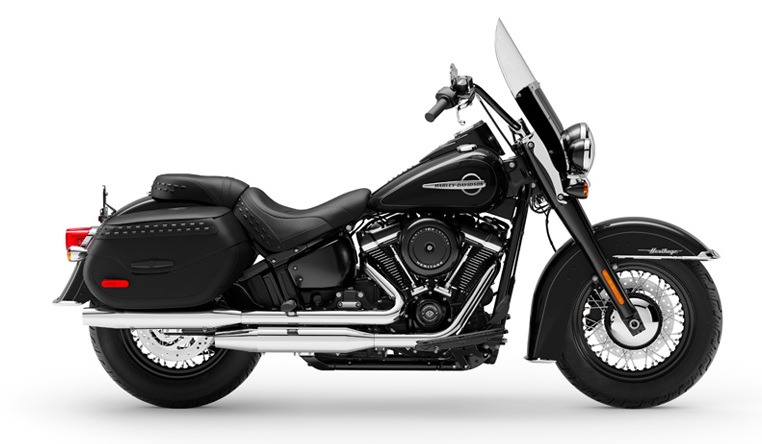
2018–2024 Harley-Davidson Softail Milwaukee-Eight 114 (FLFBS Fat Boy 114)
The 2018–2024 Harley-Davidson Softail Milwaukee-Eight 114 (FLFBS Fat Boy 114) represents a significant milestone in the evolution of Harley-Davidson’s cruiser lineup. Launched as part of a complete platform overhaul for the 2018 model year, the new generation of Softail motorcycles consolidated the previous Softail and Dyna lines into a single, more advanced chassis. The Fat Boy 114 model, in particular, stands out as a flagship of this new era, combining the raw power of the Milwaukee-Eight 114 engine with a redesigned frame and a muscular, modern aesthetic that builds upon its iconic legacy.
Development and Redesign
The decision to redesign the Softail platform was one of the most ambitious projects in Harley-Davidson’s recent history. The primary goals were to create a lighter, stiffer, and better-handling motorcycle that could appeal to a broader range of riders while retaining the classic styling cues cherished by loyalists.
The centerpiece of this redesign is the new frame. While it maintains the signature “hardtail” look with clean, straight lines from the steering head to the rear axle, the underlying suspension technology is completely modernized. The old dual, under-engine shocks were replaced by a single, adjustable monoshock hidden discreetly beneath the seat. This change, combined with a stiffer carbon steel frame, resulted in a chassis that is approximately 34% more rigid and significantly lighter than its predecessor. This new architecture provides dramatically improved handling dynamics, cornering clearance, and overall ride quality.
The Fat Boy 114 model’s styling was also updated to reflect its enhanced performance. It is characterized by its solid-cast “Lakester” aluminum wheels, a massive 240mm rear tire, and a muscular stance. The finish was shifted from the heavy chrome of previous generations to a more contemporary satin chrome, giving the bike a powerful, industrial look. The signature headlight nacelle was also restyled, completing the motorcycle’s modern-muscle cruiser identity.
The Power of the Milwaukee-Eight 114 Engine
At the heart of the FLFBS Fat Boy 114 is the Milwaukee-Eight 114 engine, a 1,868cc (114 cubic inch) V-Twin. This engine was a major leap forward from the Twin Cam motor it replaced. Key features of the Milwaukee-Eight include:
Four-Valve Cylinder Heads: Each cylinder features four valves (totaling eight, hence the name), which improves airflow and allows for greater combustion efficiency, resulting in more power and torque.
Dual Counter-Balancers: The engine is internally counter-balanced to cancel out a significant portion of the primary vibration. This creates a much smoother ride, especially at highway speeds, without completely eliminating the characteristic V-Twin pulse that riders expect.
Improved Cooling: Enhanced oil and air cooling strategies help the engine manage heat more effectively, improving rider comfort and engine longevity.
Increased Power Delivery: The Milwaukee-Eight 114 was engineered to deliver a massive wave of torque low in the RPM range, providing strong acceleration from a stop and effortless passing power.
This powertrain provides the Fat Boy 114 with a level of performance that is both exhilarating and accessible, marking a distinct improvement over the engines used in prior generations.
Differences from the Previous Twin Cam Model
The transition to the 2018 Softail platform introduced substantial changes compared to the outgoing Twin Cam-powered Fat Boy models.
Chassis and Suspension: The most significant difference is the all-new monoshock Softail frame, which replaced both the older dual-shock Softail and the separate Dyna frames. This new chassis offers superior rigidity and handling. Suspension was upgraded with a high-performance Showa Dual Bending Valve (SDBV) front fork and an easily adjustable rear monoshock, a major improvement in both performance and convenience over the previous generation.
Engine Performance: The Milwaukee-Eight 114 engine provides a noticeable increase in torque and a smoother power delivery compared to the Twin Cam 103 or 110 engines. Its counter-balancers reduce harsh vibrations, offering a more refined experience without sacrificing the classic Harley feel.
Weight and Handling: The redesigned frame and lighter components resulted in a significant weight reduction (over 30 lbs / 14 kg for the Fat Boy). This, combined with the stiffer chassis and improved suspension, makes the new model feel more agile and responsive in corners.
Aesthetics and Features: The Fat Boy 114 introduced signature modern styling elements like the solid Lakester wheels and satin chrome finishes. It also received updated features such as standard LED lighting, providing better visibility and a more contemporary look.
Specifications
| General | |
| Brand | Harley-Davidson |
| Model | Softail |
| Model Class | Fat Boy 114 (FLFBS) |
| Model Year | 2018–2024 |
| Type | Cruiser |
| Performance | |
| Max. power | Approx. 94 Hp (70 Kw) @ 5020 RPM |
| Max. torque | 119 ft-lb (161 N•m) @ 3000 RPM |
| Size | |
| Length | 93.3 in. (2370 mm) |
| Wheelbase | 65.6 in. (1665 mm) |
| Seat height (laden) | 25.9 in. (675 mm) |
| Ground clearance | 4.5 in. (115 mm) |
| Weight (in running order) | 699 lb. (317 kg) |
| Engine | |
| Type | Milwaukee-Eight® 114, V-Twin, Four Stroke, Air/Oil Cooled |
| Displacement | 114 cu in (1868 cc) |
| Bore × Stroke | 4.016 in. × 4.5 in. (102 mm × 114.3 mm) |
| Compression ratio | 10.5:1 |
| Starting system | Electric starter |
| Fuel supplying system | Electronic Sequential Port Fuel Injection (ESPFI) |
| Engine oil capacity | 5.0 qt (4.7 L) |
| Transmission | |
| Transmission type | 6-speed Cruise Drive® |
| Clutch type | Wet, multi-disc, manual |
| Driving system | Belt drive |
| Primary reduction ratio | Chain, 34/46 ratio |
| Final reduction ratio | Belt, 32/66 ratio |
| Gear ratio | 1st: 9.311; 2nd: 6.454; 3rd: 4.793; 4th: 3.882; 5th: 3.307; 6th: 2.79 |
| Chassis | |
| Tire size | Front: 160/60R18,70V,BW; Rear: 240/40R18,79V,BW |
| Wheels | Machined, Lakester cast aluminum |
| Capacity of fuel tank | 5.0 gal (18.9 L) |
| Fuel consumption (Est.) | 47 MPG (5.0 L / 100 km) |
| Electric | |
| Battery | Sealed, maintenance-free, 12V |
| Lighting | All LED; Signature Headlamp, Tail/Stop, and Turn Signals |
| Suspension | |
| Front Suspension | Dual-bending valve 49 mm telescopic fork |
| Rear Suspension | Hidden, free piston, coil-over monoshock; hydraulic preload adjustment |