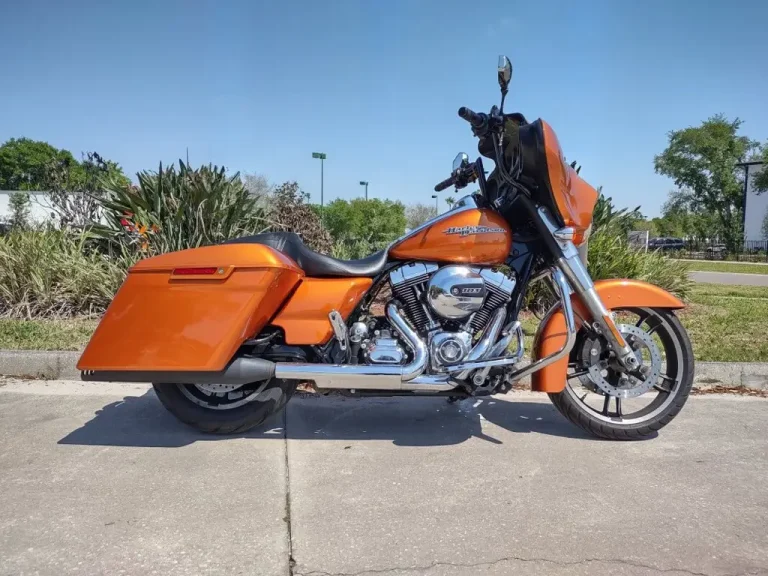
1996–2003 Harley-Davidson Sportster Evolution 1200 (XL1200C Custom Rigid)
The 1996–2003 Harley-Davidson Sportster Evolution 1200 (XL1200C Custom Rigid) represents a significant era for one of America’s most iconic motorcycle families. Bridging the gap between vintage character and modern reliability, this model captured the essence of the factory custom movement. It offered riders a distinctive, chrome-laden package powered by the venerable Evolution engine, all built on the classic rigid-mount Sportster frame. For many enthusiasts, this period is considered the pinnacle of the “raw” Sportster experience before major design changes were introduced in the following years.
Development and Introduction
Harley-Davidson introduced the XL1200C “Custom” model in 1996 as a premium offering in the Sportster lineup. It was designed to appeal to riders who wanted a custom look straight from the showroom floor, saving them the time and expense of aftermarket modifications. The “C” in its designation stood for “Custom,” and the bike lived up to the name with a host of aesthetic and ergonomic enhancements not found on the standard XLH 1200 model.
Key features that set the XL1200C apart included forward-mounted foot controls, which provided a more laid-back riding position, and a drag-style handlebar on a high riser. Visually, the bike was defined by its 21-inch laced front wheel and a solid 16-inch disc rear wheel, a combination that gave it a chopper-esque stance. Copious amounts of chrome were applied to the engine covers, oil tank, and other components, reinforcing its premium, custom identity.
Characteristics of the 1996–2003 Harley-Davidson Sportster Evolution 1200
The heart of the XL1200C is the 1200cc (74 cubic inch) Evolution engine. This air-cooled, 45-degree V-twin was a major step forward from the preceding Ironhead engine, lauded for its significantly improved reliability, power delivery, and ease of maintenance. The Evolution engine produced a satisfying amount of low-end torque, making it well-suited for city cruising and backroad journeys.
A defining characteristic of this model range is its “rigid-mount” frame. The engine is bolted directly to the frame without rubber isolators, meaning the rider feels the full character and vibration of the V-twin engine. While later models would incorporate rubber mounting to dampen vibrations, many traditionalists prefer the connected and mechanical feel of the rigid-mount bikes, considering it an essential part of the authentic Harley-Davidson experience. The transmission during this period was a reliable five-speed gearbox, delivering power to the rear wheel via a clean and low-maintenance belt drive system.
Differences from Previous and Subsequent Models
The 1996–2003 XL1200C stands as a distinct chapter in the Sportster’s history. Compared to earlier Sportsters, it was a more focused “factory custom.” While the five-speed transmission had been introduced in 1991, the XL1200C packaged it with a specific set of ergonomic and styling features that defined the modern custom cruiser look for the brand.
The most significant differences, however, lie in comparison to the models that came after it. In 2004, Harley-Davidson completely redesigned the Sportster frame, introducing a rubber-mounting system for the engine. This change drastically reduced the amount of vibration transferred to the rider, resulting in a smoother and more comfortable ride, particularly at highway speeds. The post-2003 models also featured a stronger frame, a wider rear tire, and other subtle refinements. Furthermore, fuel injection began replacing carburetors on Sportster models in 2007, marking another technological departure from the carbureted, rigid-mount bikes of the 1996–2003 era. Because of these changes, the 1996–2003 models are often sought after by enthusiasts who value the direct feel and classic simplicity of the last rigid-mount Evolution Sportsters.
Specifications
| General | |
| Brand | Harley-Davidson |
| Model | Sportster Custom |
| Model Class | XL1200C |
| Model Year | 1996–2003 |
| Type | Cruiser / Custom |
| Dry Weight | Approx. 491 lb. (222.7 kg) |
| Performance | |
| Max. power | Approx. 59 Hp / 5200 RPM |
| Max. torque | Approx. 72.3 ft-lb (98 N•m) / 3900 RPM |
| Size | |
| Length | 90.1 in. (2288 mm) |
| Wheelbase | 60.2 in. (1530 mm) |
| Seat height | 28.0 in. (711 mm), Laden |
| Ground clearance | 4.4 in. (112 mm) |
| Engine | |
| Type | Evolution, 45-degree V-Twin, Air Cooled, OHV |
| Displacement | 1200 cc (73.2 cu in) |
| Bore × Stroke | 3.5 in. × 3.81 in. (88.8 mm × 96.8 mm) |
| Compression ratio | 9.0:1 (1996-1997) / 9.7:1 (1998-2003) |
| Starting system | Electric starter |
| Fuel supplying system | Carburetor (Keihin CV) |
| Ignition control system | Electronic |
| Engine oil type | SAE 20W-50 |
| Transmission | |
| Transmission type | 5-speed, manual gear shift |
| Clutch type | Wet, multi-disc, manual |
| Driving system | Belt drive |
| Chassis | |
| Tire size | Front: MH90-21; Rear: 130/90B16 |
| Rim size | Front: 21 in. Laced Spoke; Rear: 16 in. Solid Disc Cast Aluminum |
| Capacity of fuel tank | 3.3 gal (12.5 L) |
| Fuel consumption | Approx. 42-48 MPG (5.0-5.6 L / 100 km) |
| Electric | |
| Battery | 12V |
| Shock Absorbers | |
| Front Suspension | 39mm telescopic fork |
| Rear Suspension | Dual coil-over shocks, preload adjustable |