Yamaha Xmax 300 Engine oil Capacity (2018-2024)
The Yamaha XMAX 300 is a big scooter produced by yamaha since 2017 until present. this motorcycle features a 4-stroke, liquid-cooled engine that has a single-cylinder, 292cc displacement with a bore and stroke of 70.0 × 75.9 mm (2.76 × 2.99 in) and an SOHC valve train. There were not many changes to the engine during this production period, so the crankcase for holding engine oil still has the same capacity. For complete information, see below on how to check the oil, replace the oil and oil filter, and recommended oil specifications suitable for your Yamaha XMAX 300.
Importance of Regular Oil Checks
The engine oil level should be checked before each ride. Additionally, regular oil changes and oil filter replacements, as outlined in the periodic maintenance chart, keep the engine protected and performing at its best.
How to Check the Engine Oil Level
- Positioning: Place the vehicle on a level surface and keep it upright. A slight tilt can give an incorrect reading.
- Warming Up the Engine: Start the engine and let it idle for several minutes, then turn it off.
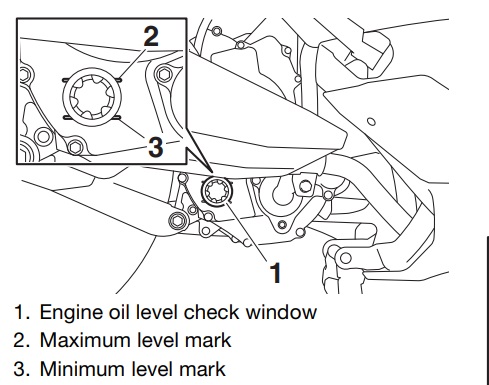
- Settling and Checking: Wait a few minutes for the oil level to settle, then check the level through the check window located at the bottom-right side of the crankcase. The oil should be between the minimum and maximum level marks.

- Adding Oil: If the oil level is below the minimum mark, add the recommended type of oil until it reaches the correct level.

Changing the Engine Oil and Oil Filter
Steps to Change the Engine Oil
- See the periode of oil change in this maintenance schedule xmax 300 changing engine oil point
- Warm the Engine: Start and let the engine idle for several minutes, then turn it off.
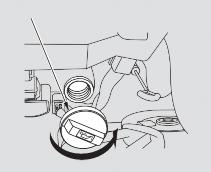
- Drain the Oil: Position an oil pan under the engine. Remove the oil filler cap and O-ring, then unscrew the oil drain bolt and its gasket to let the oil drain fully.


- Check the O-Ring: Inspect the O-ring for damage, replacing it if necessary.


Replacing the Oil Filter (if needed)
- Skip steps 5–7 if you’re changing the oil without replacing the filter.
- Remove the Filter Cover: Unscrew the bolts to remove the oil filter element cover.
- Install New Filter and O-Ring: Replace with a new oil filter element and O-ring.
- Secure the Filter Cover: Reattach the cover and tighten the bolts to the specified torque.
Tightening torque: Oil filter element cover bolt: 10 N·m (1.0 kgf·m, 7.4 lb·ft)
Engine oil Capacity
- Reattach the Drain Bolt: Install a new gasket on the drain bolt, then tighten it to the recommended torque.
- Add Oil: Refill with the appropriate amount of oil.
- Oil Change Only: 1.50 L (1.59 US qt, 1.32 Imp.qt)
- With Filter Replacement: 1.60 L (1.69 US qt, 1.41 Imp.qt)
- Finish Up: Wipe any spilled oil, then securely tighten the oil filler cap and O-ring.
Final Steps
- Check for Leaks: Start the engine and let it idle, monitoring for oil leaks. If a leak appears, turn off the engine immediately to diagnose the issue.
- Verify Oil Level: After waiting a few minutes, check the oil level again to ensure it’s within the correct range.
Recommended Engine Oil and Specifications

- Recommended Brand: YAMALUBE
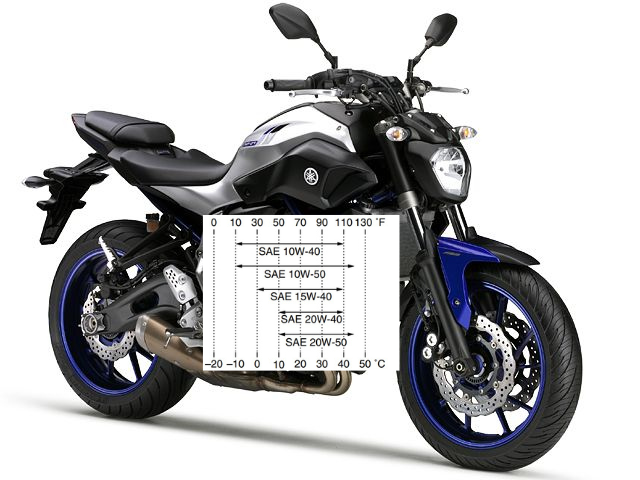
- Viscosity Grades: 10W-40, 10W-50, 15W-40, 20W-40, or 20W-50
- API Service Grade: SG or higher
- JASO Standard: MA or MB
Why Choose Yamalube?
YAMALUBE oils are developed by Yamaha engineers specifically for Yamaha engines. With decades of research, Yamaha’s YAMALUBE blends deliver a unique balance of additives that optimize the engine’s performance while ensuring durability.
Using YAMALUBE or another recommended oil and adhering to the specified engine oil capacity keeps your engine in top shape. Make these maintenance steps a routine, and enjoy your engine’s smooth, reliable performance for many years.