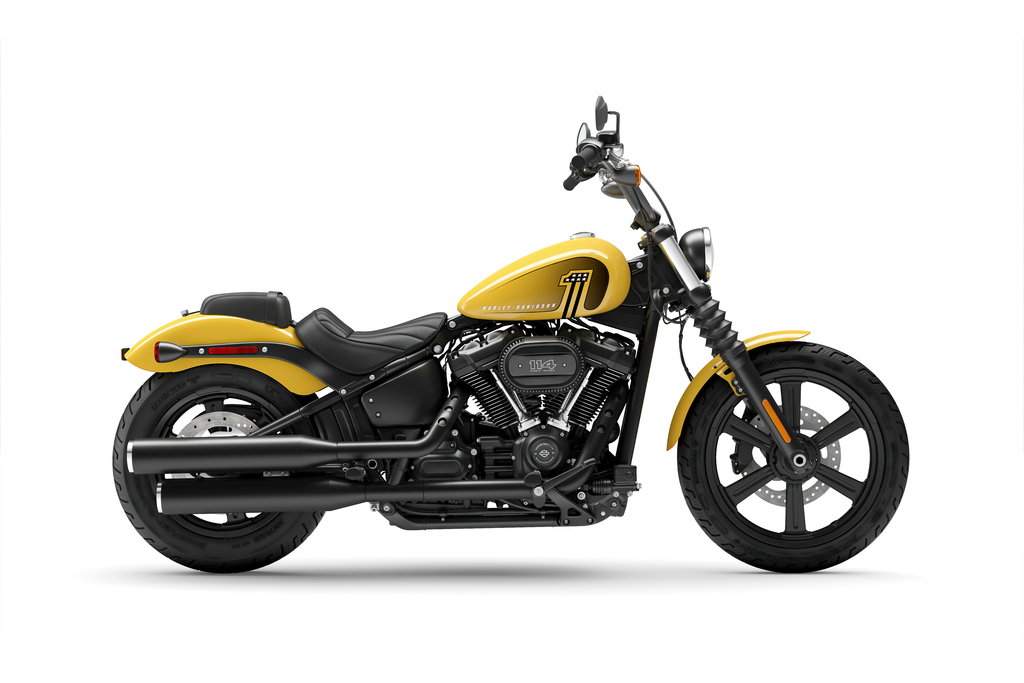
The 1999–2005 Harley-Davidson Dyna Twin Cam 88 series marked a significant technological leap for the company, ushering its popular Dyna platform into a new era of performance and refinement. The introduction of the Twin Cam 88 engine replaced the long-serving Evolution motor, offering riders a completely re-engineered powertrain designed for increased power, improved reliability, and a smoother ride. Among the models to receive this update, the FXDL Dyna Low Rider continued its legacy as one of the most popular and recognizable cruisers in the lineup, blending classic Harley-Davidson styling with the enhanced capabilities of the new engine and chassis.
The most substantial difference between this generation and its predecessor was the engine. The Evolution engine, which had powered Harley-Davidson’s big twins since 1984, was a single-cam design. The new Twin Cam 88, as its name implies, featured two camshafts in the cam chest to actuate the valvetrain. This more complex design allowed for improved engine breathing, higher RPM potential, and a significant boost in both horsepower and torque. The engine displacement was increased from the Evo’s 80 cubic inches (1340cc) to 88 cubic inches (1450cc). Additionally, the Twin Cam 88 featured an improved internal oiling system and larger cooling fins to better manage heat, addressing some of the long-term reliability concerns of the previous engine.
The Twin Cam 88 Engine: A New Heart for the Dyna
At the core of the 1999-2005 Dyna lineup was the Twin Cam 88A engine. This was the non-counterbalanced version of the motor, which Harley-Davidson reserved for its rubber-mounted frames like the Dyna and Touring series. The engine’s vibration was isolated from the rider through a series of rubber mounts connecting the powertrain to the frame, a hallmark of the Dyna platform that provided a visceral, shaking feel at idle that smoothed out at cruising speeds.
This 1450cc, air-cooled, 45-degree V-twin engine was a clean-sheet design. It featured revised cylinder heads, pistons, and a strengthened crankcase. Initially, models were equipped with a 40mm Keihin constant-velocity (CV) carburetor, which provided a traditional throttle response. Beginning in the early 2000s, Harley-Davidson began offering an optional Electronic Sequential Port Fuel Injection (ESPFI) system, which delivered more precise fuel metering, easier cold starts, and better performance at varying altitudes. The engine was paired with a five-speed manual transmission, delivering power to the rear wheel through a clean and low-maintenance belt drive system.
Chassis and Model-Specific Features of the FXDL Low Rider
The Dyna frame, introduced in 1991, was known for its rigidity and handling characteristics, setting it apart from the Softail line. The design, featuring twin external shock absorbers, was carried over into the Twin Cam era and complemented the new engine’s increased performance. The FXDL Low Rider variant was specifically designed for a low-slung, custom look and accessible ergonomics.
Its defining feature was its low seat height, typically measuring around 26 inches, which made it an approachable motorcycle for a wide range of riders. This was paired with pullback handlebars and mid-mounted foot controls, creating a comfortable, upright riding position. The Low Rider was also distinguished by its tank-mounted instrument console, which featured a speedometer and tachometer, giving it a more premium feel compared to other models with handlebar-mounted gauges.
Distinguishing Features of the 1999–2005 Harley-Davidson Dyna Twin Cam 88 Low Rider
Aesthetically, the FXDL Low Rider of this period was a showcase of classic cruiser styling. It featured a raked-out front end, a two-up seat, and liberal use of chrome on the engine covers, exhaust, and suspension components. The traditional laced (spoke) wheels were standard, though cast aluminum wheels were often available as an option or on special editions. The combination of the rubber-mounted Twin Cam 88 engine’s performance and the Low Rider’s unique ergonomic and styling package made it a versatile machine, equally at home on city streets and open highways. This generation solidified the Dyna Low Rider’s reputation as a quintessential Harley-Davidson cruiser that successfully blended tradition with modern engineering.
Specifications
| General | |
| Brand | Harley-Davidson |
| Model | Dyna Low Rider |
| Model Class | FXDL |
| Model Year | 1999–2005 |
| Type | Cruiser |
| Maximum passengers | 2 |
| Performance | |
| Max. power | Approx. 67 Hp / 5200 RPM |
| Max. torque | Approx. 85 ft-lb (115 N•m) / 3000 RPM |
| Size | |
| Length | 91.2 in. (2316 mm) |
| Width | 35.5 in. (901 mm) |
| Height | 46.9 in. (1191 mm) |
| Wheelbase | 62.9 in. (1598 mm) |
| Seat height | 26.5 in. (673 mm) |
| Ground clearance | 4.6 in. (117 mm) |
| Dry weight | 619.5 lb. (281 kg) |
| Engine | |
| Type | Twin Cam 88, 45° V-Twin, Air-cooled, Four Stroke |
| Displacement | 88 cu in (1450 cc) |
| Bore × Stroke | 3.75 in. × 4.00 in. (95.3 mm × 101.6 mm) |
| Compression ratio | 8.9:1 |
| Starting system | Electric starter |
| Fuel supplying system | 40mm CV Carburetor or optional ESPFI |
| Ignition control system | Digital Ignition |
| Lubricating system | Dry-sump |
| Oil capacity | 3.0 qt (2.8 L) |
| Engine oil type | SAE 20W-50 Harley-Davidson H-D 360 |
| Transmission | |
| Transmission type | 5-speed, manual gear shift |
| Clutch type | Wet, multi-disc, manual |
| Driving system | Belt drive |
| Primary reduction ratio | 1.556 (Chain) |
| Final reduction ratio | 2.188 (Belt) |
| Gear ratio | 1st: 3.21; 2nd: 2.21; 3rd: 1.57; 4th: 1.23; 5th: 1.00 |
| Chassis | |
| Tire size | Front: 100/90-19; Rear: 150/80B16 |
| Rim size | Front: 19 in. Laced; Rear: 16 in. Laced |
| Capacity of fuel tank | 4.9 gal (18.5 L) |
| Fuel consumption | Approx. 42 MPG (5.6 L / 100 km) |
| Electric | |
| Battery | 12V / 19 Ah |
| Headlight | Halogen |
| Suspension | |
| Front Suspension | 49mm telescopic fork |
| Rear Suspension | Dual coil-over shocks, preload adjustable |