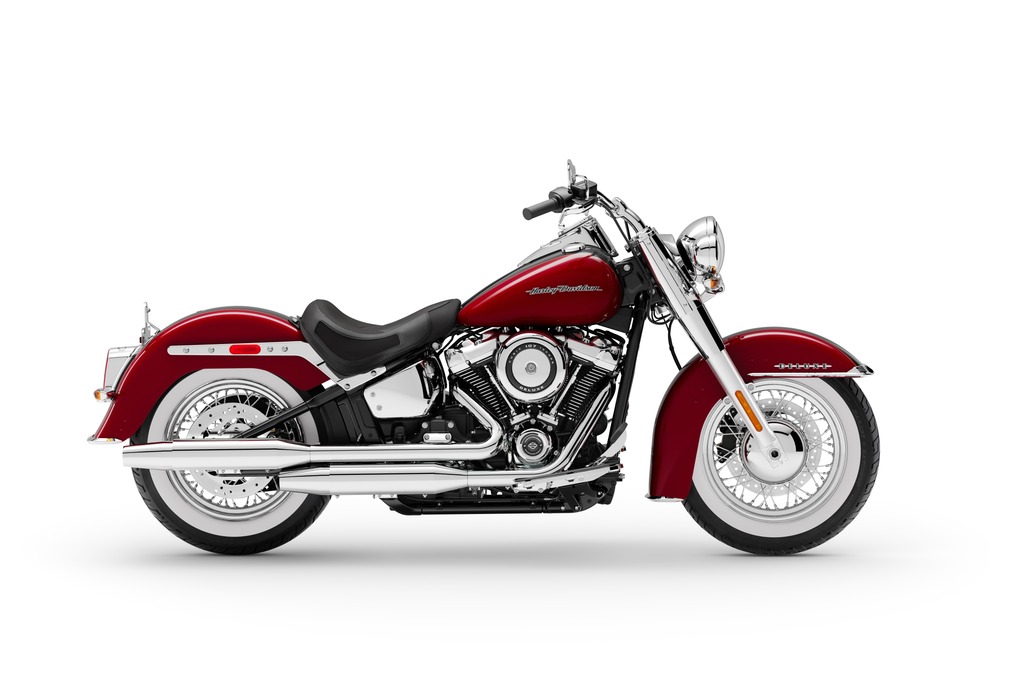
The Harley-Davidson Touring Twin Cam 88, produced for the 1999 to 2006 model years, represented a monumental shift for the iconic American motorcycle manufacturer. This new generation of touring bikes, headlined by the flagship FLHTCU Electra Glide Ultra Classic, was built around a completely redesigned engine that aimed to deliver more power, improved reliability, and a refined riding experience over its predecessor, the venerable Evolution engine. The move from the single-cam, 80-cubic-inch Evolution to the dual-cam, 88-cubic-inch Twin Cam was the most significant powertrain update for Harley-Davidson’s Big Twin lineup in over a decade.
The previous generation, powered by the Evolution (or “Evo”) engine, was beloved for its reliability and classic Harley character. However, by the late 1990s, the design was reaching its performance limits and faced challenges meeting stricter emissions standards. Harley-Davidson’s answer was the Twin Cam 88, which brought the Big Twin platform into the modern era. While it retained the classic 45-degree V-twin, air-cooled architecture, the new engine featured two chain-driven camshafts in the crankcase (hence the name “Twin Cam”), which allowed for more aggressive valve timing, resulting in better airflow and a notable increase in both horsepower and torque. This provided riders with improved passing power and a less strained feel, especially when riding two-up with luggage on the grand tourers like the Electra Glide Ultra Classic.
The Heart of the New Touring Line: Harley-Davidson Touring Twin Cam 88
At the core of the 1999–2006 touring family was the 1450cc (88 cubic inch) Twin Cam engine. Beyond the dual cams, the engine featured an internal oil pump and an improved cooling fin design to better manage heat, a critical factor for large, air-cooled engines on long journeys. Early models from 1999-2002 were available with either a Keihin carburetor or a Magneti Marelli sequential port fuel injection system. In 2002, Harley-Davidson began transitioning to the more reliable and efficient Delphi fuel injection system, which became standard on the touring line.
The engine was initially mated to the existing 5-speed transmission, providing a familiar feel for long-time riders but with substantially more performance on tap. One of the most discussed aspects of the early Twin Cam 88 engines was the spring-loaded cam chain tensioning system, which required inspection and periodic replacement. Despite this, the engine proved to be a robust platform that set the stage for future displacement increases and refinements.
Chassis and Model-Specific Features
The FLHTCU Electra Glide Ultra Classic of this era was the pinnacle of Harley-Davidson’s touring offerings. It was built on a heavy-duty tubular steel frame designed for stability and long-haul comfort. Suspension was handled by a large-diameter telescopic front fork and a pair of air-adjustable rear shocks, allowing riders to tailor the ride based on the load.
As the “Ultra Classic,” the FLHTCU was equipped with a comprehensive suite of features that defined the grand American touring experience:
“Batwing” Fairing: The iconic fork-mounted fairing provided excellent wind protection and housed a full suite of analog gauges.
Full Luggage: The bike included color-matched, lockable hard saddlebags and a rear “Tour-Pak” with an integrated passenger backrest and luggage rack.
Comfort and Convenience: Vented lower fairings offered additional weather protection and storage. The bike came standard with electronic cruise control, a 40-watt per channel AM/FM/cassette (later CD) sound system, and a voice-activated rider/passenger intercom and CB radio system.
Ergonomics: A deeply padded, two-up seat, full-length rider floorboards, and adjustable passenger footboards ensured all-day comfort for both occupants.
Throughout its production run, the Twin Cam 88-powered touring platform saw incremental improvements. Besides the switch to Delphi EFI, braking was upgraded, and refinements were made to the frame and electrical systems. The 1999-2006 generation solidified the Electra Glide’s reputation as the definitive long-distance touring motorcycle, blending classic Harley-Davidson style with a new level of performance and capability.
| General | |
| Brand | Harley-Davidson |
| Model | FLHTCU Electra Glide Ultra Classic |
| Model Class | Touring |
| Model Year | 1999–2006 |
| Type | Touring / Grand Tourer |
| Maximum mass (GVWR) | 1259 lb. (571 kg) |
| Maximum passengers | 2 |
| Performance | |
| Max. power (approx.) | 67 Hp / 5200 RPM (at rear wheel) |
| Max. torque (approx.) | 81 ft-lb (110 N•m) / 3100 RPM (at rear wheel) |
| Top designed speed | ~105 mph (169 km/h) |
| Size | |
| Length | 98.3 in. (2497 mm) |
| Width | 38.0 in. (965 mm) |
| Height | 61.5 in. (1562 mm) |
| Wheelbase | 63.5 in. (1613 mm) |
| Seat height (laden) | 27.3 in. (693 mm) |
| Ground clearance | 5.1 in. (130 mm) |
| Curb weight (as shipped) | ~848 lb. (385 kg) |
| Engine | |
| Type | Twin Cam 88, 45° V-Twin, Air-cooled, Pushrod-operated overhead valves |
| Displacement | 88 cu in (1450 cc) |
| Bore × Stroke | 3.75 in. × 4.00 in. (95.3 mm × 101.6 mm) |
| Compression ratio | 8.9:1 |
| Starting system | Electric starter |
| Fuel supplying system | 40mm Keihin Carburetor or Sequential Port Fuel Injection (EFI) |
| Ignition control system | Digital electronic |
| Lubricating system | Dry sump, pressure lubrication |
| Oil capacity | 4.0 qt (3.8 L) |
| Engine oil type | SAE 20W-50 Harley-Davidson H-D 360 Motorcycle Oil |
| Idle speed | 950-1050 RPM |
| Transmission | |
| Transmission type | 5-speed, manual gear shift |
| Clutch type | Wet, multi-disc, manual |
| Driving system | Belt drive |
| Primary reduction ratio | 1.44:1 |
| Final reduction ratio | 2.1875:1 |
| Chassis | |
| Tire size | Front: MT90B16; Rear: MU85B16 |
| Rim size | Front: 16 in.; Rear: 16 in. |
| Capacity of fuel tank | 5.0 gal (18.9 L) |
| Fuel consumption (approx.) | ~42 mpg (5.6 L / 100 km) |
| Electric | |
| Battery | 12V / 28 Ah |
| Headlight | Sealed Beam |
| Shock Absorbers | |
| Front travel | 4.6 in (117 mm) |
| Rear travel | 3.0 in (76 mm) |
| Rear suspension | Air-adjustable shocks |