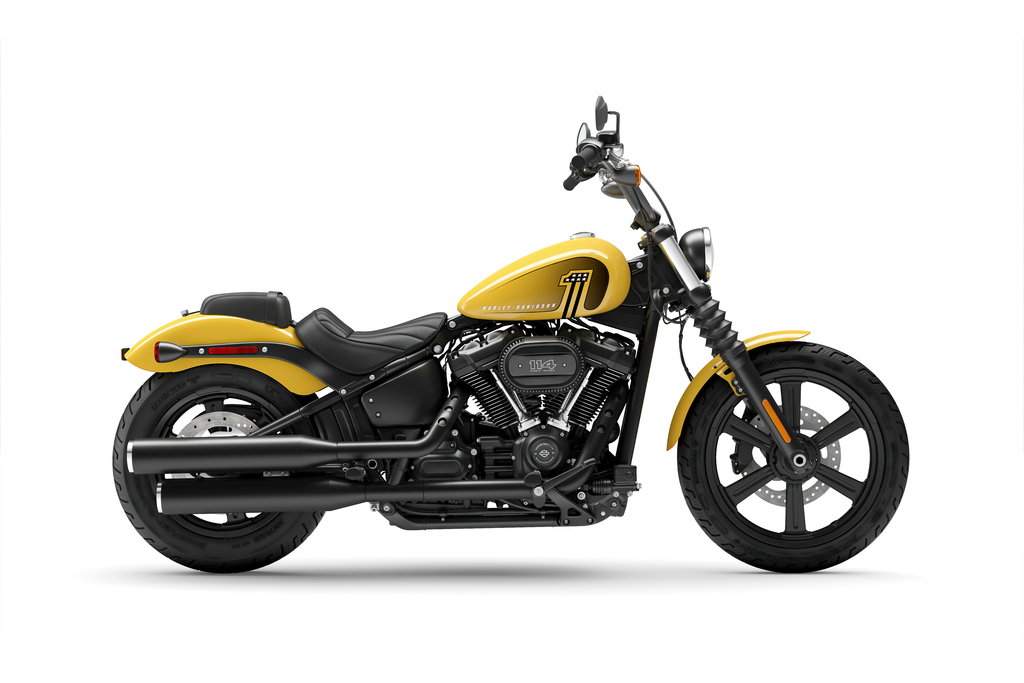
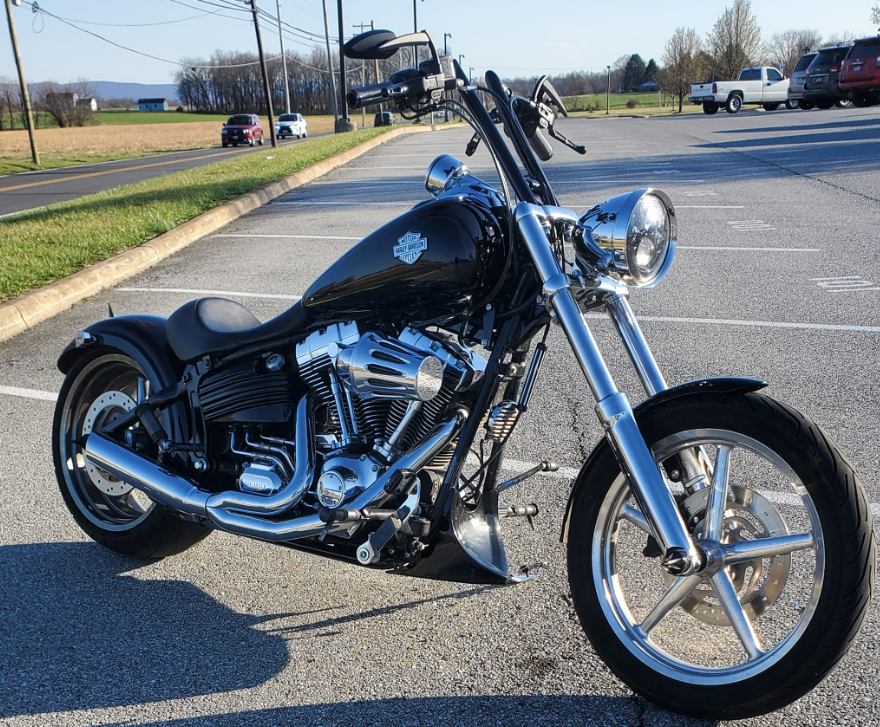
Of course. Here is a full article about the 2007–2011 Harley-Davidson Touring Twin Cam 96 (FLHTC Electra Glide Classic), written in the requested style.
The 2007–2011 Harley-Davidson Touring Twin Cam 96 (FLHTC Electra Glide Classic) represents a significant era for the company’s grand American touring lineup. This period saw the introduction of a larger, more powerful engine and a host of technological and chassis refinements that enhanced the long-distance capability and rider comfort for which the Electra Glide is known. Serving as a bridge between the Twin Cam 88 era and the later Rushmore projects, these models solidified the Electra Glide’s position as a flagship tourer, blending traditional styling with modern performance upgrades.
Evolution from the Twin Cam 88
The most substantial change from the previous generation (ending in 2006) was the move from the Twin Cam 88 engine to the new Twin Cam 96. This upgrade was not merely an incremental bump but a fundamental improvement to the motorcycle’s powertrain. The previous Twin Cam 88 displaced 88 cubic inches (1450cc), while the new engine increased this to 96 cubic inches (1584cc) by lengthening the stroke.
This increase in displacement, combined with an integrated 6-speed Cruise Drive transmission, marked a major step forward. The previous models utilized a 5-speed transmission. The addition of a sixth gear allowed for significantly lower engine RPMs at highway speeds, resulting in a smoother, quieter ride with less vibration and improved fuel efficiency on long stretches of road. Furthermore, the primary drive system was redesigned for better durability and performance.
The Harley-Davidson Touring Twin Cam 96 Powertrain
At the heart of the 2007-2011 FLHTC is the air-cooled, 45° V-Twin Twin Cam 96 engine. It featured Electronic Sequential Port Fuel Injection (ESPFI) as standard, providing reliable starting, crisp throttle response, and automatic adjustment for changes in altitude and temperature. The engine was rubber-mounted to the frame to isolate the rider from vibrations, a hallmark of the Touring family.
This powertrain was engineered to produce substantial low-end torque, which is essential for a fully-loaded touring motorcycle. With a peak torque output of approximately 92.6 ft-lb at around 3500 RPM, the Twin Cam 96 provided strong acceleration from a stop and ample power for highway passing, even when riding two-up with luggage.
Chassis and Technology Upgrades
While the engine was the headline change for 2007, the chassis and technology also saw crucial updates during this period.
Braking System: In 2008, Harley-Davidson introduced a new Brembo braking system with dual four-piston calipers up front. This provided significantly improved stopping power and feel over the previous system. An Anti-lock Braking System (ABS) became available as a factory-installed option, adding a major safety enhancement.
Throttle Control: Electronic Throttle Control (ETC), or “throttle-by-wire,” was introduced, removing the traditional throttle cables for a cleaner look and more precise engine management.
Frame Redesign:** A landmark update occurred in 2009 with the introduction of a completely redesigned frame and swingarm. This new single-spar, rigid backbone frame dramatically increased torsional stiffness. The result was a motorcycle that handled with far more precision and stability, especially in corners and on uneven surfaces. This new chassis also increased the Gross Vehicle Weight Rating, allowing for more carrying capacity for luggage and passengers.
Electra Glide Classic Features
As the “Classic” model, the FLHTC came well-equipped for serious touring. Standard features included the iconic “batwing” fairing with a full instrument suite, a low-profile windscreen, and a powerful halogen headlamp. It was also fitted with lockable, injection-molded hard saddlebags and a deluxe King Tour-Pak luggage carrier with an integrated passenger backrest.
Comfort was a priority, with a plush, two-up touring seat, full-length rider footboards, and an advanced audio system by Harman/Kardon that included a CD player and AM/FM radio, providing entertainment for long journeys.
Specifications: 2009 Harley-Davidson FLHTC Electra Glide Classic
| General | |
| Brand | Harley-Davidson |
| Model | Electra Glide Classic |
| Model Class | FLHTC |
| Model Year | 2007–2011 (Specs based on 2009) |
| Type | Touring |
| Gross Vehicle Weight Rating | 1360 lb. (617 kg) |
| Maximum passengers | 2 |
| Performance | |
| Max. power | (Not officially published by Harley-Davidson) Approx. 66 Hp |
| Max. torque | 92.6 ft-lb (125.6 N•m) / 3500 RPM |
| Lean Angle (Right/Left) | 31° / 33° |
| Size | |
| Length | 98.3 in. (2496 mm) |
| Width | 38.0 in. (965 mm) |
| Height | 61.0 in. (1549 mm) |
| Wheelbase | 63.5 in. (1613 mm) |
| Seat height (Laden) | 27.3 in. (693 mm) |
| Ground clearance | 5.1 in. (130 mm) |
| Curb weight (Running Order) | 869 lb. (394 kg) |
| Engine | |
| Type | Air-cooled, Twin Cam 96 V-Twin |
| Displacement | 96 cu. in. (1584 cc) |
| Bore × Stroke | 3.75 in. × 4.38 in. (95.25 mm × 111.25 mm) |
| Compression ratio | 9.2: 1 |
| Starting system | Electric starter |
| Fuel supplying system | Electronic Sequential Port Fuel Injection (ESPFI) |
| Lubricating system | Pressurized, dry-sump |
| Oil capacity (w/ filter) | 4.0 qt (3.8 L) |
| Engine oil type | Harley-Davidson H-D 360 SAE 20W50 |
| Idle speed | 1000 RPM ± 50 RPM |
| Transmission | |
| Transmission type | 6-speed Cruise Drive, manual |
| Clutch type | Wet, multi-disc, manual |
| Driving system | Belt drive |
| Primary reduction ratio | 1.353 (34/46) |
| Final reduction ratio | 2.125 (32/68) |
| Gear ratio | 1st: 9.312; 2nd: 6.421; 3rd: 4.774; 4th: 3.926; 5th: 3.279; 6th: 2.790 |
| Chassis | |
| Tire size | Front: D408F NW 130/80B17 65H; Rear: D407 NW 180/65B16 81H |
| Rim type | Black, 28-spoke Cast Aluminum |
| Capacity of fuel tank | 6.0 gal (22.7 L) |
| Fuel consumption (Est.) | City: 35 mpg (6.7 L/100km); Highway: 54 mpg (4.3 L/100km) |
| Electric | |
| Battery | Sealed, maintenance-free, 12V / 28 Ah |
| Headlight | Halogen 55-watt low beam, 60-watt high beam |
| Suspension | |
| Front | 41.3 mm telescopic forks |
| Front travel | 4.6 in (117 mm) |
| Rear | Air-adjustable shocks |
| Rear travel | 3.0 in (76 mm) |