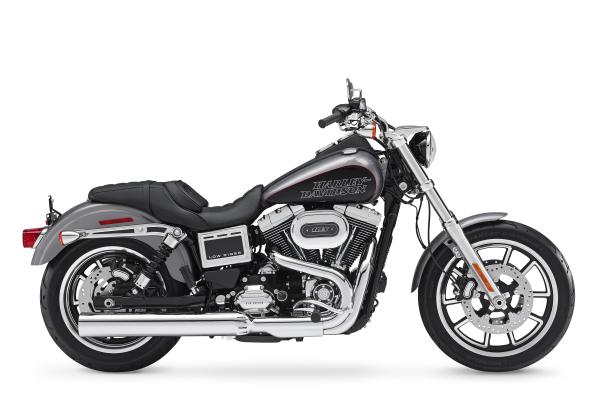
1993–1998 Harley-Davidson Dyna Evolution 1340 (FXDL Low Rider)
Harley-Davidson Dyna Low Rider (1993–1998)
The 1993–1998 Harley-Davidson Dyna Evolution 1340 (FXDL Low Rider) represents a significant era for the American motorcycle manufacturer, marking the fusion of the new Dyna chassis with the iconic Low Rider styling and the revered Evolution engine. Introduced in 1993, the FXDL Dyna Low Rider served as the successor to the FXR Low Rider, bringing a fresh engineering approach to Harley-Davidson’s popular factory-custom cruiser. This model quickly established itself as a cornerstone of the Dyna family, celebrated for its blend of classic looks, reliable performance, and a raw, visceral riding experience.
From FXR to Dyna: A New Chassis Philosophy
The most crucial difference between the FXDL and its predecessor, the FXR, was the frame. The FXR platform, lauded by enthusiasts for its exceptional handling, featured a complex, triangulated steel frame that was labor-intensive and expensive to produce. In contrast, the Dyna frame, which debuted in 1991 with the Sturgis model, was designed with computer-aided design (CAD) for manufacturing efficiency. It featured a simpler, large-diameter backbone and fewer welded components.
A key element of the Dyna chassis was its two-point rubber engine mounting system, designed to isolate the rider from the V-twin’s vibrations. While the FXR also used a rubber-mounting system, the Dyna’s was a different design aimed at simplifying production while still providing a comfortable ride at cruising speeds. This new frame gave the Dyna models a distinct character, feeling more connected to the engine’s power pulses at idle but smoothing out significantly on the open road.
The Heart of the Machine: The Evolution 1340 Engine
Powering the FXDL was the legendary 1340cc (80 cubic inch) Evolution V-twin engine. Introduced in 1984, the “Evo” was a monumental leap forward from the preceding Shovelhead engine. It featured aluminum cylinders and heads over iron, which improved cooling and allowed for tighter manufacturing tolerances. This resulted in an engine that was vastly more reliable, oil-tight, and durable than its predecessors.
In the Dyna Low Rider, the Evolution engine delivered the quintessential Harley-Davidson experience: a deep, resonant exhaust note and a satisfying surge of low-end torque. It provided ample power for highway cruising and city riding, making the FXDL a versatile machine. Mated to a 5-speed transmission and a clean, low-maintenance belt final drive, the powertrain was a robust and proven combination that defined Harley-Davidson for over a decade.
Design and Styling of the 1993-1998 Harley-Davidson Dyna Evolution 1340 (FXDL Low Rider)
The FXDL carried forward the signature styling cues that made the Low Rider name famous since its first appearance in 1977. The design ethos was that of a “factory custom,” incorporating popular aftermarket trends into a production motorcycle.
Key styling features included:
Low Seat Height: True to its name, the FXDL boasted a low-slung solo seat, making it accessible to a wide range of riders and contributing to its aggressive stance.
Tank-Mounted Gauges: A console on top of the classic “Fat Bob” fuel tank housed both the speedometer and tachometer, a hallmark of the Low Rider model.
Pull-Back Handlebars: The handlebars were mounted on risers that swept back toward the rider, providing a comfortable, laid-back riding position.
Mag Wheels: Cast aluminum mag wheels, typically with a silver or black finish, gave the bike a muscular, modern look compared to traditional wire-spoked wheels.
* Chrome and Polish: Ample chrome was used on the engine covers, exhaust system, and other components, contrasting with the painted frame and bodywork to create a visually striking machine.
Riding Characteristics and Legacy
The 1993-1998 Dyna Low Rider was known for being a solid all-around performer within the Harley-Davidson lineup. It was more nimble than the larger Softail or Touring models but offered more substance and stability than a Sportster. The rubber-mounted engine allowed for comfortable long-distance rides, while the chassis provided confident handling through sweeping curves. The bike’s success cemented the Dyna platform’s place in Harley-Davidson history and it remains a highly sought-after model on the used market for its classic looks, reliable Evolution engine, and its status as a fantastic platform for customization.
Specifications
| General | Brand | Harley-Davidson |
| Model | Dyna Low Rider | |
| Model Class | FXDL | |
| Model Year | 1993–1998 | |
| Type | Cruiser | |
| Maximum passengers | 2 (with optional passenger seat/pegs) | |
| Performance | Max. power | ~58 Hp (43 kW) @ 5000 RPM |
| Max. torque | ~75 ft-lb (101 N•m) @ 2350 RPM | |
| Top designed speed | ~105 mph (169 km/h) | |
| Size | Length | 92.8 in. (2357 mm) |
| Width | 35.2 in. (894 mm) | |
| Wheelbase | 62.5 in. (1587 mm) | |
| Seat height | 26.5 in. (673 mm) | |
| Dry weight | 598 lb. (271 kg) | |
| Engine | Type | 45° V-Twin, Four Stroke, Air Cooled, OHV |
| Displacement | 1340 cc (80 cubic inches) | |
| Bore × Stroke | 3.49 in. × 4.25 in. (88.8 mm × 108 mm) | |
| Compression ratio | 8.5:1 | |
| Starting system | Electric starter | |
| Fuel supplying system | Carburetor (Keihin 40 mm) | |
| Engine oil type | SAE 20W-50 | |
| Transmission | Transmission type | 5-speed, manual gear shift |
| Clutch type | Wet, multi-disc, manual | |
| Driving system | Belt drive | |
| Final reduction ratio | 2.125 (32/68T) | |
| Chassis | Tire size | Front: 100/90-19; Rear: 130/90-16 |
| Rim type | Cast Aluminum | |
| Capacity of fuel tank | 4.9 gal (18.5 L) | |
| Fuel consumption | ~42 mpg (5.6 L / 100 km) | |
| Electric | Battery | 12V |
| Ignition control system | Electronic | |
| Suspension | Front | 39mm Telescopic Fork |
| Rear | Dual shocks, preload adjustable |