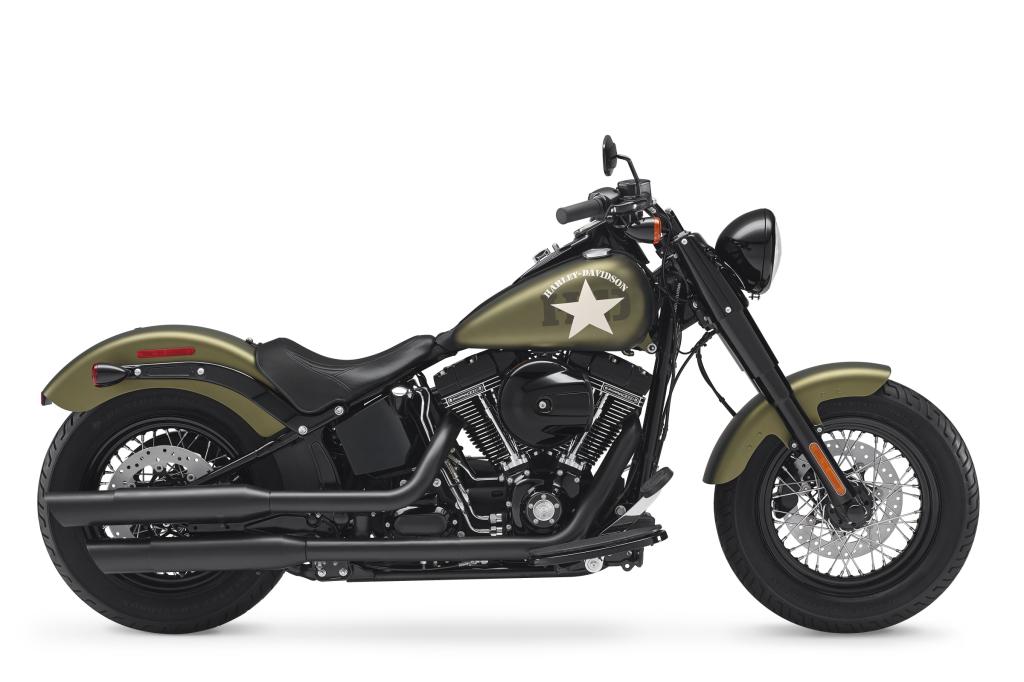
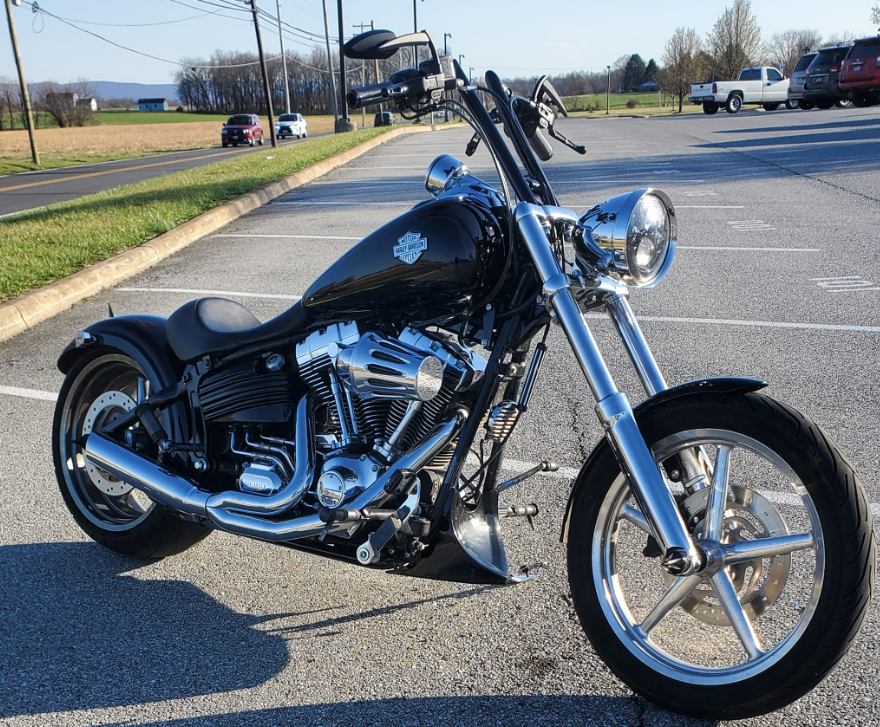
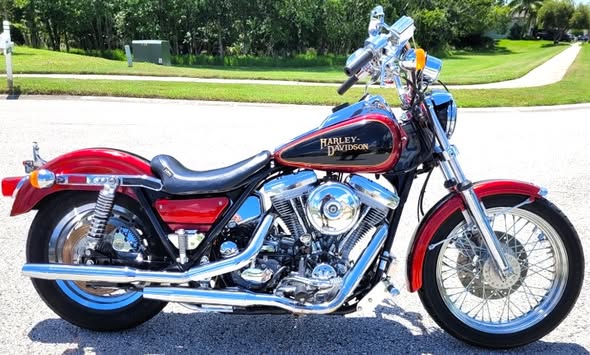
Of course. Here is a full article about the 2007–2010 Harley-Davidson Dyna Twin Cam 96 (FXD Super Glide), written in the requested style and format.
The 2007–2010 Harley-Davidson Dyna Twin Cam 96, particularly in the FXD Super Glide trim, represents a pivotal generation in the lineage of Harley-Davidson’s performance cruisers. This period marked a significant powertrain evolution, moving the well-regarded Dyna platform into a new era of performance and refinement. The FXD Super Glide served as the foundational model in the Dyna family, celebrated for its clean, essential “Big Twin” styling and its role as a versatile and customizable motorcycle. It combined the classic Harley-Davidson profile with a chassis known for its relatively nimble handling characteristics.
Evolution from the Twin Cam 88
The most substantial change for the 2007 model year was the retirement of the Twin Cam 88 engine in favor of the larger Twin Cam 96. This was not merely an incremental update but a comprehensive powertrain overhaul.
Increased Displacement: The primary difference was the increase in engine displacement from 88 cubic inches (1450cc) to 96 cubic inches (1584cc). This was achieved not by boring out the cylinders, but by increasing the stroke from 4.00 inches to 4.375 inches. The result was a significant boost in torque, which was immediately noticeable to riders in the form of stronger acceleration and better passing power.
Integrated 6-Speed Transmission: Paired with the new engine was the 6-speed Cruise Drive transmission. This replaced the previous 5-speed gearbox and was a major advancement for highway usability. The sixth gear acted as a true overdrive, lowering engine RPM at cruising speeds. This reduced vibration, improved fuel economy, and made long-distance travel more comfortable.
Standard Fuel Injection:** While Electronic Fuel Injection (EFI) had been introduced on some models prior, the 2007 update solidified its place as the standard fuel delivery system across the Dyna line, replacing carburetors entirely. This improved cold starts, throttle response, and overall engine efficiency while helping meet stricter emissions standards.
The Harley-Davidson Dyna Twin Cam 96 Engine and Powertrain
At the core of the motorcycle’s identity was its air-cooled, 45-degree V-Twin engine. The Twin Cam 96 produced a factory-rated torque of approximately 92 ft-lb at around 3000 RPM. True to Harley-Davidson’s philosophy, the engine was tuned for low-end grunt rather than high-revving horsepower, making it ideal for city cruising and highway roll-on acceleration.
A key feature of the Dyna platform was its rubber-mounted powertrain. Unlike the rigidly mounted engines in the Softail line, the Dyna’s engine was isolated from the frame by a system of mounts. This design allowed the engine to vibrate at idle—creating the classic Harley-Davidson character—but smoothed out significantly once underway, providing a more comfortable ride than might be expected from such a large V-Twin. Power was delivered to the rear wheel via a clean and low-maintenance belt drive system.
Chassis and Riding Dynamics
The Dyna frame was designed as a bridge between the nimble Sportster and the larger Touring models. It featured a traditional twin-shock rear suspension, which, unlike the hidden “softail” suspension, was a prominent part of the bike’s aesthetic. The FXD Super Glide came equipped with mid-mounted foot controls and a handlebar that placed the rider in an upright, neutral position, contributing to its reputation as a capable all-around cruiser.
While not designed as a sportbike, the Dyna was widely considered the best-handling “Big Twin” in the Harley-Davidson lineup of its time. The frame’s stiffness and conventional suspension geometry provided a responsive and confident ride, making it popular among riders who valued cornering ability as much as straight-line cruising.
Styling and Model Identity
The FXD Super Glide was the entry-point to the Dyna family, characterized by its straightforward, no-frills styling. It eschewed the heavy ornamentation of other models for a more classic and elemental look. Key features included a “Fat Bob” fuel tank with a console-mounted speedometer, a solo seat (though often equipped with a two-up seat), and chrome-finished components like the engine covers and staggered dual exhaust pipes. This minimalist approach made it an exceptionally popular platform for customization, serving as a blank canvas for owners to modify according to their personal tastes.
Specifications: 2007-2010 Harley-Davidson Dyna Super Glide (FXD)
| General | |
| Brand | Harley-Davidson |
| Model | Dyna Super Glide |
| Model Class | FXD |
| Model Year | 2007–2010 |
| Type | Cruiser |
| Dry Weight | 632 lb (287 kg) |
| Running Order Weight | 663 lb (301 kg) |
| Performance | |
| Max. Power | ~65-70 Hp (Estimated, not officially published) |
| Max. Torque | 92 ft-lb (125 N•m) / 3000 RPM |
| Size | |
| Length | 92.8 in (2357 mm) |
| Width | 36.8 in (935 mm) |
| Height | 49.1 in (1247 mm) |
| Wheelbase | 64.2 in (1630 mm) |
| Seat Height (Laden) | 26.8 in (680 mm) |
| Ground Clearance | 5.5 in (140 mm) |
| Engine | |
| Type | Air-cooled, Twin Cam 96 V-Twin, Four Stroke |
| Displacement | 96 cu in (1584 cc) |
| Bore × Stroke | 3.75 in × 4.375 in (95.3 mm × 111.1 mm) |
| Compression Ratio | 9.2:1 |
| Starting System | Electric starter |
| Fuel System | Electronic Sequential Port Fuel Injection (ESPFI) |
| Lubricating System | Dry-sump |
| Engine Oil Type | SAE 20W50 Harley-Davidson H-D 360 Motorcycle Oil |
| Transmission | |
| Transmission Type | 6-speed Cruise Drive, manual |
| Clutch Type | Wet, multi-plate |
| Driving System | Belt Drive |
| Primary Drive | Chain, 34/46 ratio |
| Final Drive Ratio | 32/66 |
| Gear Ratios | 1st: 9.311; 2nd: 6.454; 3rd: 4.793; 4th: 3.882; 5th: 3.307; 6th: 2.790 |
| Chassis | |
| Tire Size | Front: 100/90-19 57H; Rear: 160/70-17 73V |
| Rim Type | Silver, 10-spoke Cast Aluminum |
| Capacity of Fuel Tank | 4.8 gal (18.2 L) |
| Fuel Consumption (Combined) | ~43 mpg (5.5 L / 100 km) |
| Electric | |
| Battery | 12V Sealed, maintenance-free, 19Ah |
| Headlight | 55W low beam, 60W high beam |
| Suspension | |
| Front Suspension | 49mm telescopic fork |
| Rear Suspension | Coil-over twin shock absorbers, preload adjustable |
| Front Travel | 5.0 in (127 mm) |
| Rear Travel | 3.1 in (79 mm) |