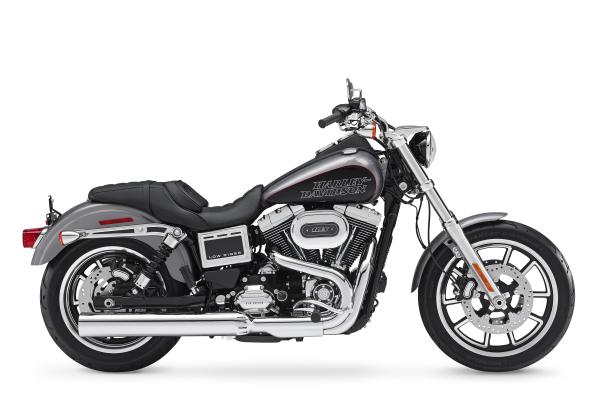
2008–2012 Harley-Davidson Sportster Evolution 1200 (XR1200/X)
Of course. Here is a full article about the 2008–2012 Harley-Davidson Sportster Evolution 1200 (XR1200/X), written in the requested style and format.
The 2008–2012 Harley-Davidson Sportster Evolution 1200 (XR1200/X) is a standard performance motorcycle produced by Harley-Davidson, inspired by the company’s legendary XR750 flat-track racing machine. Developed initially for the European market, the XR1200 represented a significant departure from Harley-Davidson’s traditional cruiser lineup, focusing on enhanced handling, braking, and engine performance to compete with European and Japanese naked bikes. It was later introduced to the North American market in 2009 following strong public demand.
History and Development
The genesis of the XR1200 lies in the iconic XR750, a motorcycle that dominated American flat-track racing for decades. While Harley-Davidson had produced sport-oriented models before, the market in Europe showed a strong appetite for “roadster” or “standard” motorcycles that combined classic styling with modern performance dynamics. Harley-Davidson’s product development team in Europe spearheaded the project, aiming to create a bike with the soul of a Harley but the cornering capabilities of its rivals.
The model was first released in Europe in 2008 and was met with positive reviews. In the United States, enthusiasm grew, fueled in part by the “XR1200 Trophy,” a one-make racing series that showcased the bike’s potential. Responding to petitions and widespread interest from American riders, Harley-Davidson officially launched the XR1200 in the U.S. for the 2009 model year.
Design and Engineering
The XR1200 was built on the Sportster platform but featured numerous exclusive upgrades that set it apart from its stablemates, such as the Sportster 1200 Custom or Nightster.
Engine and Drivetrain
At its heart is a specially tuned version of the 1200cc Evolution V-twin engine. Key differences from the standard Sportster 1200 engine included:
Higher Compression: The compression ratio was increased to 10.0:1.
Performance Fuel Injection: It featured a downdraft Electronic Sequential Port Fuel Injection (ESPFI) system for improved airflow and throttle response.
Enhanced Cooling: A larger oil cooler was fitted to manage the increased heat from the higher-performance engine.
High-Flow Exhaust: A distinctive upswept 2-1-2 exhaust system was designed to optimize performance and ground clearance while echoing the style of the XR750.
These modifications resulted in a claimed 90 horsepower and 73.8 ft-lb of torque, a notable increase over the standard air-cooled Evolution 1200 engine of the era.
Chassis, Suspension, and Brakes
The most significant departure from other Sportsters was in the chassis and handling components. The XR1200 was engineered for spirited riding and cornering prowess.
Frame and Swingarm: While based on the Sportster frame, it was paired with a cast-aluminum swingarm that was significantly more rigid than the steel unit on other models, reducing unsprung weight and improving handling.
Suspension: The front featured a 43mm inverted Showa fork, a first for a production Sportster, providing superior stiffness and control. The rear used traditional twin coil-over shocks, tuned for more aggressive riding.
Brakes: Braking power was substantially upgraded with dual four-piston Nissin calipers gripping 292mm discs at the front, a stark contrast to the single-disc setup on most other Harleys at the time.
* Wheels and Tires: The bike rolled on unique 3-spoke cast-aluminum wheels (18-inch front, 17-inch rear) shod with Dunlop Qualifier sport tires developed specifically for the XR1200.
Ergonomics and Styling
The XR1200’s styling is a direct homage to the XR750. The slim fuel tank, wide dirt-track-style handlebars, and the iconic upswept tail section with its solo-look seat create a muscular, purposeful stance. The riding position is more upright and aggressive than a typical cruiser, with mid-mounted foot controls placing the rider in a position of command for better control during cornering.
The Performance-Focused XR1200X Model
In 2011, Harley-Davidson introduced the XR1200X**. This variant further enhanced the performance capabilities of the platform. The primary upgrades were in the suspension. The XR1200X came equipped with fully adjustable Showa “Big Piston Fork” (BPF) front suspension and fully adjustable rear shocks, allowing riders to fine-tune the damping and preload to suit their weight and riding style. Aesthetically, the XR1200X was distinguished by its blacked-out components, including a matte black finish on the engine, exhaust, and forks, giving it a more aggressive look. In the U.S. market, the XR1200X replaced the standard XR1200 for the 2011 and 2012 model years.
Despite critical acclaim for its performance and handling, the XR1200 and XR1200X did not achieve the mainstream sales success of Harley-Davidson’s cruiser models in North America. Production was discontinued after the 2012 model year, and it has since become a sought-after model for enthusiasts who appreciate its unique blend of American heritage and sport-oriented performance.
Specifications Table
| General | |
| Brand | Harley-Davidson |
| Model | Sportster XR1200 / XR1200X |
| Model Years | 2008–2012 |
| Type | Standard / Roadster |
| Gross Vehicle Weight Rating | 1000 lb. (453 kg) |
| Maximum passengers | 2 (with optional passenger pegs/seat) |
| Performance | |
| Max. power | 90 Hp (67 Kw) / 7000 RPM |
| Max. torque | 73.8 ft-lb (100 N•m) / 3700 RPM |
| Lean Angle (Right/Left) | 39° / 40° |
| Top designed speed | ~125 mph (~200 km/h) |
| Size | |
| Length | 85.5 in. (2172 mm) |
| Width | 36.5 in. (927 mm) |
| Height | 45.1 in. (1146 mm) |
| Wheelbase | 60.0 in. (1524 mm) |
| Seat height | 31.3 in. (795 mm) |
| Ground clearance | 5.8 in. (147 mm) |
| Curb weight | 573 lb. (260 kg) |
| Engine | |
| Type | Air-cooled, Evolution®, 45° V-Twin |
| Displacement | 1202 cc (73.4 cu in) |
| Bore × Stroke | 3.5 in. × 3.81 in. (88.9 mm × 96.8 mm) |
| Compression ratio | 10.0:1 |
| Starting system | Electric starter |
| Fuel supplying system | Downdraft Electronic Sequential Port Fuel Injection (ESPFI) |
| Ignition control system | Electronic |
| Lubricating system | Dry-sump |
| Oil capacity | 2.8 qt (2.6 L) |
| Engine oil type | SAE 20W-50 Harley-Davidson H-D 360 Motorcycle Oil |
| Transmission | |
| Transmission type | 5-speed, manual gear shift |
| Clutch type | Wet, multi-plate |
| Driving system | Belt drive |
| Primary reduction ratio | 1.500 (57/38) |
| Final reduction ratio | 2.267 (68/30) |
| Gear ratio | 1st: 9.315; 2nd: 6.653; 3rd: 4.948; 4th: 4.102; 5th: 3.517 |
| Chassis | |
| Tire size | Front: 120/70ZR18 M/C; Rear: 180/55ZR17 M/C |
| Rim size | Front: 18 in. x 3.5 in.; Rear: 17 in. x 5.5 in. |
| Capacity of fuel tank | 3.5 gal (13.3 L) |
| Fuel consumption | ~38 mpg (City) / 53 mpg (Highway) |
| Electric | |
| Battery | 12V / 12 Ah |
| Headlight | Halogen |
| Suspension | |
| Front | 43mm Inverted Showa fork |
| Front travel | 4.92 in (125 mm) |
| Front adjustability (XR1200X) | Fully adjustable for preload, compression, and rebound damping |
| Rear | Dual coil-over, preload-adjustable shocks |
| Rear travel | 3.5 in (89 mm) |
| Rear adjustability (XR1200X) | Fully adjustable for preload, compression, and rebound damping |