2026 Harley-Davidson Softail Maintenance Schedule (FL & FX Models)
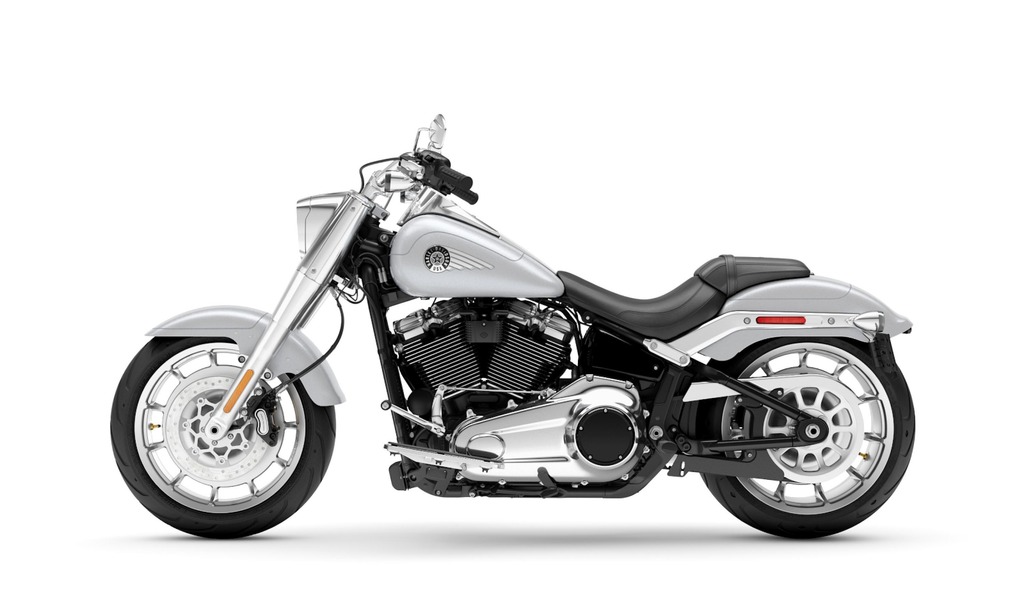
The Softail family — spanning both the FL cruiser-style bikes and the FX performance-leaning models — is Harley-Davidson’s core two-wheel platform for 2026. This line of motorcycles includes the Street Bob, Super Glide, Low Rider S, Heritage Classic, Fat Boy, Breakout, and Low Rider ST… Compared to Touring or Trike models, Softail maintenance is lighter: no differential, no CV joints, no reverse gear. Instead, the recurring focus areas are the belt drive, front/rear axle hardware, steering head bearings, and (on spoke-wheel variants) periodic spoke tension checks.
How Often Does a 2026 Softail Need Service?
Softail models follow the standard H-D interval pattern: a break-in service at 1,000 miles (1,600 km), then a checkpoint every 5,000 miles (8,000 km) through 50,000 miles (80,000 km).
Maintenance Schedule Table
| Mileage (mi / km) | Engine & Drivetrain | Brakes & Wheels | Chassis & Controls |
|---|---|---|---|
| 1,000 mi (1,600 km) | Engine oil & filter change; clean oil cooler; replace primary chaincase lubricant and transmission lubricant | Check front/rear brake fluid level and DOT4 moisture content; inspect brake pads/discs; check tire pressure and tread; torque-check front axle nut | Adjust steering head bearings; torque-check switch housing and handlebar clamps; lubricate jiffy stand; adjust clutch system |
| 5,000 mi (8,000 km) | Oil & filter change; inspect fuel lines and fittings | Inspect brake pads/discs; lubricate brake and clutch controls; check rear axle nut torque; spoke tension check (spoked wheels) | Standard chassis and control checks; inspect drive belt and sprockets, adjust as needed |
| 10,000 mi (16,000 km) | Oil & filter change; inspect exhaust system, fasteners and shields | Full brake inspection; tire pressure and tread check | Steering head and chassis fastener checks |
| 15,000 mi (24,000 km) | Oil & filter change; drive belt inspection/adjustment | Brake and tire inspection | Standard chassis and control checks |
| 20,000 mi (32,000 km) | Oil & filter change; clean oil cooler | Brake and tire inspection; spoke tension check (spoked wheels) | Steering head bearing check |
| 25,000 mi (40,000 km) | Oil & filter change; primary chaincase and transmission lubricant service | Brake and tire inspection | Standard chassis and control checks |
| 30,000 mi (48,000 km) | Oil & filter change; replace spark plugs (2-year/30k-mile item) | Brake and tire inspection | Standard chassis and control checks |
| 35,000 mi (56,000 km) | Oil & filter change; spoke tension check (spoked wheels) | Brake and tire inspection | Standard chassis and control checks |
| 40,000 mi (64,000 km) | Oil & filter change; drive belt inspection/adjustment | Brake and tire inspection | Steering head bearing check |
| 45,000 mi (72,000 km) | Oil & filter change; spoke tension check (spoked wheels) | Brake and tire inspection | Standard chassis and control checks |
| 50,000 mi (80,000 km) | Oil & filter change; primary chaincase and transmission lubricant service | Full brake system service | Standard chassis and control checks |
Time-Based Services (Not Just Mileage)
- Brake fluid (DOT 4): Flush and replace roughly every 2 years, or sooner if moisture content tests at 3% or higher.
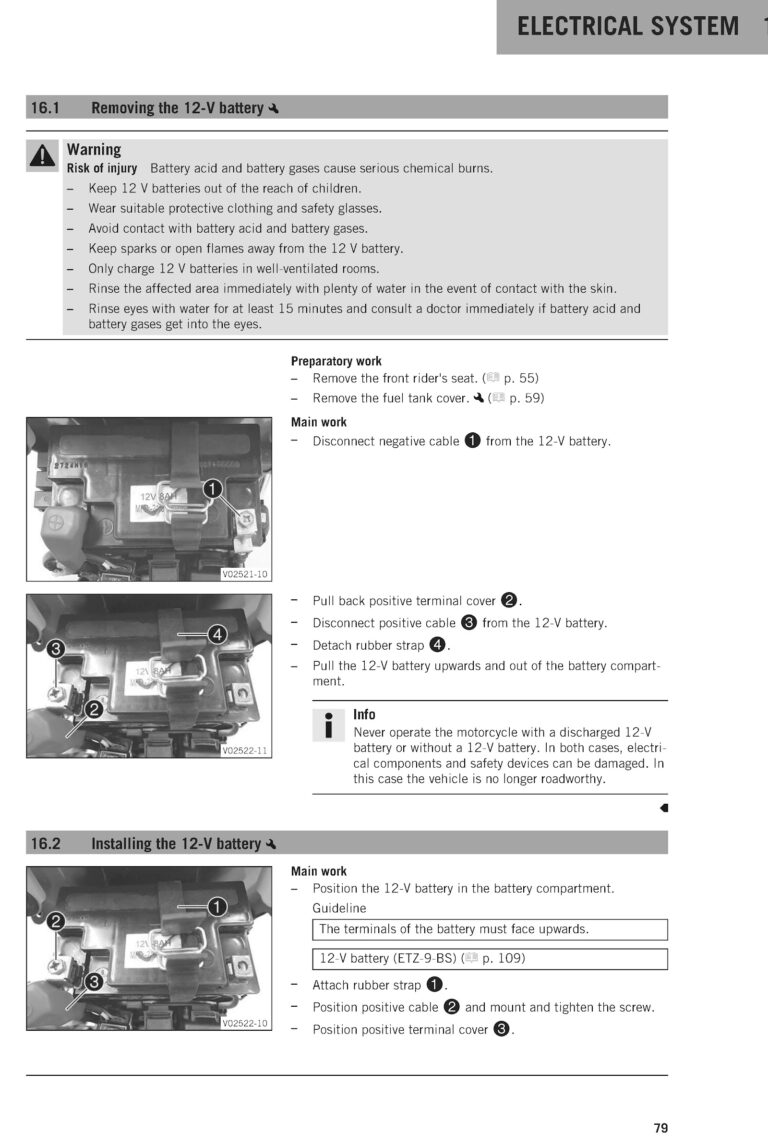
- Battery: Check terminals, torque, and clean connections annually; lubricate with electrical contact lubricant.
- Spark plugs: Replace every 2 years or 30,000 miles, whichever comes first.
- Fuel filter: Replace every 100,000 miles.
Spoke Wheel Owners: Extra Attention Needed
If your Softail has spoked wheels, H-D calls for a dedicated spoke tension check at 1,000 miles, 5,000 miles, 20,000 miles, and then every 15,000 miles after that — separate from the standard tire and brake checks. Cast/alloy wheel variants skip this step entirely.
Severe Riding Conditions
Extreme heat or cold, dusty environments, mountainous or rough roads, long storage periods, short trips, heavy stop-and-go traffic, or lower-quality fuel all count as “severe” use — riders in these categories should service more often than the standard chart suggests.
____
Softail ownership costs are generally lighter than Touring or Trike models: no differential or CV joint service, and the main recurring items are oil changes, drive belt checks, and brake maintenance every 5,000 miles. Spoke-wheel owners have one extra recurring check to track; cast-wheel owners can follow the base schedule as-is.
This table is a general planning reference based on Harley-Davidson’s published service interval structure and is not a substitute for the official factory checklist. Exact torque values and fluid capacities are not published in the factory service-interval charts — for those figures, consult an authorized Harley-Davidson dealer, the official service manual, or your owner’s manual.