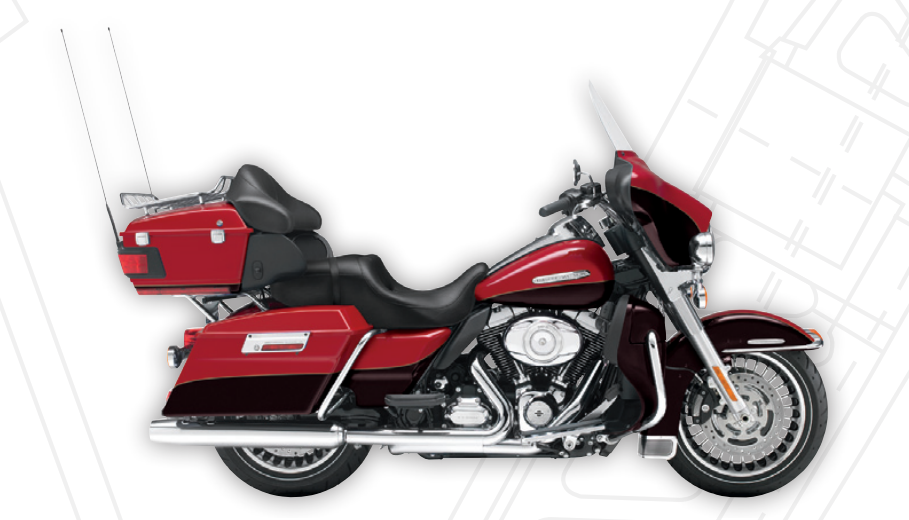
The 2001–2003 Harley-Davidson Dyna Twin Cam 88 (FXDXT Super Glide T-Sport) is a V-twin motorcycle produced by Harley-Davidson that has since become a highly sought-after cult classic. As part of the Dyna family, which was known for its rubber-mounted engine and traditional styling, the FXDXT T-Sport was a factory-built performance cruiser designed to blend aggressive handling with light-touring capability. It stood out in the Harley-Davidson lineup for its unique combination of premium components, functional features, and a distinctive, aggressive aesthetic that set it apart from its contemporaries.
The T-Sport was introduced as a variant of the existing FXDX Super Glide Sport. While both models were built on the same foundation, the T-Sport was distinguished by key additions aimed at enhancing versatility. The primary difference was the inclusion of a frame-mounted quarter fairing with an adjustable “laminar lip” windscreen, which offered superior wind protection at higher speeds compared to the fork-mounted accessories common at the time. The other defining feature was its set of expandable ballistic nylon saddlebags. These bags provided practical storage for touring but could be quickly zipped up to a slim profile for a stripped-down look, offering a level of adaptability not seen on other models. The base FXDX, by contrast, was a more minimalist machine, lacking the fairing and luggage as standard equipment.
Design of the Dyna Twin Cam 88 (FXDXT T-Sport)
The design philosophy behind the FXDXT was function-forward, prioritizing performance and rider experience over the heavy chrome styling prevalent in the Harley-Davidson catalog of the era. Its appearance was understated yet purposeful, characterized by a blacked-out powertrain, wrinkle-black engine covers, and cast aluminum wheels. This “anti-chrome” approach signaled its intent as a serious rider’s machine.
Engine and Drivetrain
At the heart of the T-Sport was the rubber-mounted Twin Cam 88 engine, which had been introduced to the Dyna line in 1999. Displacing 88 cubic inches (1450 cc), the air-cooled, 45-degree V-twin provided a significant increase in performance and reliability over the preceding Evolution engine. In the Dyna chassis, the engine’s isolation mounting system drastically reduced vibration felt by the rider, making it more suitable for longer distances. Power was delivered through a five-speed transmission and a belt final drive, a hallmark of modern Harley-Davidson motorcycles.
Chassis and Suspension
The FXDXT’s handling prowess was its most celebrated attribute. Unlike most cruisers of its time, it featured a high-quality, fully adjustable suspension system. The front end was equipped with 39mm cartridge-style forks offering adjustments for preload, compression, and rebound damping. The rear suspension consisted of twin piggyback-reservoir shocks, also fully adjustable. This setup allowed riders to fine-tune the motorcycle’s handling to their weight and riding style, from comfortable cruising to aggressive cornering.
Further enhancing its performance credentials were dual front disc brakes with four-piston calipers, providing strong and reliable stopping power. The motorcycle’s geometry, including a relatively steep rake angle and increased ground clearance, enabled a greater lean angle than was typical for a Harley-Davidson cruiser, making it exceptionally capable on winding roads.
Legacy
Despite its advanced features and critical acclaim from moto-journalists, the FXDXT T-Sport had a short production run, ending in 2003. Its niche positioning and higher price point limited its initial commercial success. However, in the years following its discontinuation, the T-Sport developed a dedicated following. It became a foundational model for the “club style” or “performance cruiser” subculture, where riders modify Dynas and Softails for improved handling and power. The T-Sport’s combination of a frame-mounted fairing, tall suspension, and a powerful engine became the blueprint for this style. Today, original, well-maintained FXDXT models are highly collectible and command premium prices on the used market.
*
Specifications: 2001-2003 FXDXT Super Glide T-Sport**
| General | |
| Brand | Harley-Davidson |
| Model | Dyna Super Glide T-Sport |
| Model Class | FXDXT |
| Model Year | 2001–2003 |
| Type | Performance Cruiser / Sport-Touring |
| Maximum passengers | 2 |
| Performance | |
| Max. power | ~68 Hp / 5200 RPM |
| Max. torque | ~86 ft-lb (117 N•m) / 3500 RPM |
| Top designed speed | ~115 mph (185 km/h) |
| Size | |
| Length | 92.8 in. (2357 mm) |
| Width | 34.5 in. (876 mm) |
| Height | 50.4 in. (1280 mm) |
| Wheelbase | 62.5 in. (1588 mm) |
| Seat height | 27.0 in. (686 mm), laden |
| Ground clearance | 5.6 in. (142 mm) |
| Curb weight | 650 lb. (295 kg) |
| Engine | |
| Type | Twin Cam 88, V-Twin, Four Stroke, Air Cooled |
| Displacement | 88 cu in (1450 cc) |
| Bore × Stroke | 3.75 in. × 4.00 in. (95.3 mm × 101.6 mm) |
| Compression ratio | 9.2:1 |
| Starting system | Electric starter |
| Fuel supplying system | 40mm Keihin Constant Velocity Carburetor |
| Ignition control system | Electronic |
| Lubricating system | Dry-sump |
| Oil capacity | 3.0 qt (2.8 L) |
| Engine oil type | SAE 20W-50 |
| Transmission | |
| Transmission type | 5-speed, manual gear shift |
| Clutch type | Wet, multi-disc, manual |
| Driving system | Belt drive |
| Primary reduction ratio | 1.44:1 |
| Final reduction ratio | 2.187:1 |
| Chassis | |
| Tire size | Front: 100/90-19; Rear: 150/80B16 |
| Rim size | Front: 19-inch Cast Aluminum; Rear: 16-inch Cast Aluminum |
| Capacity of fuel tank | 4.9 gal (18.5 L) |
| Fuel consumption | ~42 mpg (5.6 L / 100 km) combined |
| Electric | |
| Battery | 12V / 19 Ah |
| Headlight | Halogen |
| Brakes & Suspension | |
| Front Brakes | Dual 292mm discs, 4-piston calipers |
| Rear Brakes | Single 292mm disc, 4-piston caliper |
| Front suspension travel | 5.5 in (139 mm) |
| Front suspension | 39mm Showa fork, fully adjustable for preload, compression, and rebound |
| Rear suspension travel | 3.1 in (79 mm) |
| Rear suspension | Twin Showa shocks with piggyback reservoirs, fully adjustable for preload, compression, and rebound |